

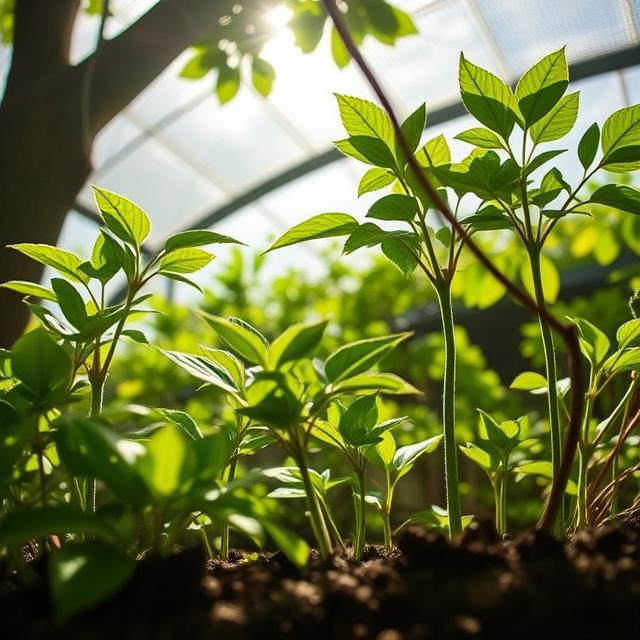
Photosynthesis is one of the most fascinating and essential processes in nature. It’s the way plants, algae, and some bacteria convert sunlight into energy, providing the oxygen we breathe and the foundation for most life on Earth. So, how does photosynthesis work? In this article, we will explore the process of photosynthesis in detail, breaking down the science and explaining its importance to life on Earth.
What is Photosynthesis?
Before diving into how does photosynthesis work, it’s essential to define what photosynthesis is. Photosynthesis is the process by which plants, algae, and some bacteria convert light energy from the sun into chemical energy stored in glucose (a type of sugar). During this process, plants use sunlight, carbon dioxide from the air, and water to produce glucose and oxygen.
This process not only helps plants grow but also sustains life on Earth by releasing oxygen into the atmosphere, which humans and animals need to breathe. Without photosynthesis, life as we know it would not be possible.
The Basic Equation of Photosynthesis
To better understand how does photosynthesis work, let’s look at the basic equation that represents this process:
6CO2+6H2O+light energy⟶C6H12O6+6O26CO_2 + 6H_2O + \text{light energy} \longrightarrow C_6H_{12}O_6 + 6O_2
This equation tells us that six molecules of carbon dioxide (CO2) and six molecules of water (H2O) react in the presence of light energy to produce one molecule of glucose (C6H12O6) and six molecules of oxygen (O2). In simple terms, plants take in carbon dioxide and water, use sunlight to create glucose, and release oxygen as a byproduct.
The Two Stages of Photosynthesis
The process of how does photosynthesis work can be broken down into two main stages: the light-dependent reactions and the light-independent reactions (also known as the Calvin cycle). Both stages take place in different parts of the plant cells, specifically in the chloroplasts, which contain the green pigment called chlorophyll. Let’s take a closer look at each of these stages.
1. The Light-Dependent Reactions
The light-dependent reactions occur in the thylakoid membranes of the chloroplasts. During these reactions, light energy from the sun is absorbed by chlorophyll and other pigments in the plant. This absorbed light energy excites electrons, causing them to move through a series of proteins called the electron transport chain.
The energy from these electrons is used to split water molecules into oxygen, protons (hydrogen ions), and electrons. This process is called photolysis, and it’s the reason why oxygen is produced during photosynthesis. The oxygen is then released into the atmosphere.
The light energy also helps generate molecules called ATP (adenosine triphosphate) and NADPH (nicotinamide adenine dinucleotide phosphate). These molecules act as energy carriers and are essential for the next stage of photosynthesis.
In summary, the light-dependent reactions are responsible for converting light energy into chemical energy in the form of ATP and NADPH while also producing oxygen as a byproduct.
2. The Calvin Cycle (Light-Independent Reactions)
The Calvin cycle, also known as the light-independent reactions, takes place in the stroma of the chloroplasts. Unlike the light-dependent reactions, the Calvin cycle does not require light. Instead, it uses the energy stored in ATP and NADPH, produced during the light-dependent reactions, to convert carbon dioxide into glucose.
During the Calvin cycle, an enzyme called RuBisCO helps combine carbon dioxide with a 5-carbon molecule called ribulose bisphosphate (RuBP). This creates an unstable 6-carbon molecule that quickly breaks down into two 3-carbon molecules. These molecules are then processed through several steps, ultimately forming glucose.
While the Calvin cycle is a crucial part of how does photosynthesis work, it doesn’t directly require sunlight. Instead, it relies on the products of the light-dependent reactions (ATP and NADPH) to drive the synthesis of glucose, which the plant uses for energy and growth.
The Role of Chlorophyll in Photosynthesis
One of the key components of how does photosynthesis work is chlorophyll, the green pigment found in plant cells. Chlorophyll is responsible for capturing light energy and converting it into chemical energy during the light-dependent reactions.
Chlorophyll absorbs light most efficiently in the blue and red wavelengths of the light spectrum. This absorbed light energy excites electrons in the chlorophyll, which are then passed through the electron transport chain, as described earlier. This energy transfer is what powers the process of photosynthesis.
Interestingly, chlorophyll reflects green light, which is why plants appear green to us. While chlorophyll is the primary pigment involved in photosynthesis, other pigments, such as carotenoids, also play a role by absorbing different wavelengths of light and protecting the plant from excess light.
The Importance of Photosynthesis for Life on Earth
Now that we understand how does photosynthesis work, let’s take a moment to appreciate its importance for life on Earth. Photosynthesis is the foundation of most ecosystems. It’s the process that produces the oxygen we breathe and provides energy for nearly all living organisms on the planet.
For example, the glucose produced through photosynthesis serves as the primary energy source for plants. Herbivores, like cows or deer, consume plants and obtain this energy. Carnivores, like lions or wolves, eat herbivores and indirectly gain the energy stored in plants. This creates a complex web of energy transfer in ecosystems, with photosynthesis at the heart of it all.
Furthermore, photosynthesis plays a significant role in regulating the Earth’s atmosphere. Through this process, plants absorb carbon dioxide, a greenhouse gas, and release oxygen. This helps maintain the balance of gases in the atmosphere and supports life on Earth.
Photosynthesis and the Environment
In addition to providing energy for life, how does photosynthesis work also impacts the environment in profound ways. Plants help regulate the carbon cycle by absorbing carbon dioxide from the air during photosynthesis. This process helps reduce the amount of CO2 in the atmosphere, which is important for controlling global temperatures and combating climate change.
Forests, in particular, are major contributors to this process. They absorb massive amounts of carbon dioxide and produce oxygen, making them critical in the fight against global warming. Deforestation, on the other hand, disrupts this balance and leads to increased carbon levels in the atmosphere, contributing to climate change.
The Efficiency of Photosynthesis
Photosynthesis is an incredibly efficient process, but it is not without its limitations. In fact, plants are not able to convert all of the sunlight they receive into usable energy. The efficiency of photosynthesis depends on several factors, including light intensity, temperature, and the availability of carbon dioxide.
For instance, under low light conditions, plants may not be able to carry out photosynthesis at their maximum capacity. Similarly, extreme temperatures or drought can hinder the process. However, plants have evolved various strategies to optimize photosynthesis in different environments, such as C4 and CAM photosynthesis, which allow plants to efficiently capture carbon dioxide under specific conditions.
How Humans Benefit from Photosynthesis
As humans, we are directly and indirectly dependent on photosynthesis. Without this process, plants and trees would not exist, and neither would the oxygen we need to survive. The food we eat also depends on photosynthesis, either directly (in the case of plants) or indirectly (in the case of animals that consume plants).
In addition to providing food and oxygen, photosynthesis has other practical applications. For example, researchers are studying ways to mimic photosynthesis in artificial systems to create more efficient energy sources. Solar panels, for instance, are designed to capture sunlight and convert it into electricity, much like photosynthesis does with plants. By understanding how does photosynthesis work, scientists hope to improve renewable energy technologies and develop sustainable solutions for our growing energy needs.
The Future of Photosynthesis Research
Research into how does photosynthesis work continues to advance, with scientists working to unlock new ways to harness the power of this natural process. For example, scientists are studying the possibility of engineering plants to be more efficient at photosynthesis, which could increase crop yields and help feed the growing global population.
Other areas of research include developing artificial photosynthesis systems that could be used to produce fuel from sunlight, carbon dioxide, and water, much like plants do. This could have significant implications for reducing carbon emissions and providing a clean, renewable energy source.
Conclusion: How Does Photosynthesis Work?
In conclusion, how does photosynthesis work is a vital question that helps us understand the intricate and essential process that sustains life on Earth. Photosynthesis is the way plants convert sunlight into energy, producing glucose and oxygen, which are crucial for both plant growth and the survival of most organisms on the planet.
This process not only supports the food chain and provides us with the oxygen we need to breathe but also plays a critical role in regulating the Earth’s atmosphere and combating climate change. By continuing to explore and understand how does photosynthesis work, we can unlock new possibilities for improving agricultural practices, renewable energy technologies, and environmental sustainability. Photosynthesis is truly the engine that powers life on Earth.