

Good health is usually shaped by repeated daily choices rather than sudden lifestyle changes. People searching for practical health information can also visit storyza.it.com while using trusted medical guidance for questions involving their personal health. Sleep, nutrition, movement, hydration, hygiene, emotional wellbeing, and preventive care all deserve some attention. The difficult part is keeping these habits realistic when normal life becomes crowded with responsibilities. Work, family, study, travel, finances, and unexpected situations can easily disturb a carefully planned routine. That does not mean healthy habits need to disappear whenever the schedule becomes difficult. A flexible routine can continue in smaller forms during busy periods and return to normal afterward. Health advice should also recognize that people have different needs because age, physical ability, medical history, medications, and lifestyle can change what is appropriate. There is no single perfect routine that works for everyone. General information can explain useful principles, but persistent symptoms or serious concerns require qualified medical attention. The aim should be practical progress rather than perfection. When health habits fit comfortably into ordinary life, they are much easier to maintain for longer periods. Small improvements can matter when they are repeated consistently and adjusted when circumstances change.
Sleep Supports Daily Function
Sleep provides the body and brain with important time for recovery and normal functioning. Adults generally need at least seven hours of sleep each night, although individual needs can vary considerably. Younger people usually require more sleep because their bodies and brains are still developing. Repeatedly sleeping too little can affect concentration, memory, mood, reaction time, and everyday performance. Someone may notice that simple decisions feel harder after several nights of poor rest. A consistent bedtime and waking schedule can help establish a predictable rhythm over time. Occasional changes are normal because real schedules rarely remain identical throughout the week. A bedroom that is comfortable, reasonably quiet, and dark can make resting easier for many people. Some individuals also benefit from reducing bright screens and stimulating activities before bedtime. Caffeine consumed late in the day can interfere with sleep for certain people because its effects may last longer than expected. Regular daytime movement and exposure to natural light can also support a healthy sleep-wake pattern. Persistent difficulty sleeping should not simply be accepted as normal if it continues for a long time. Loud snoring combined with breathing interruptions, severe daytime sleepiness, or repeated nighttime waking can deserve professional evaluation. Sleep should be considered part of health maintenance rather than leftover time after everything else has been completed.
Balanced Meals Provide Support
Food supplies energy and nutrients needed for movement, concentration, growth, repair, and normal body functions. A varied eating pattern can include vegetables, fruits, whole grains, protein-rich foods, and suitable sources of healthy fats. Different foods contribute different nutrients, which makes variety useful when building everyday meals. Protein can come from pulses, beans, eggs, dairy products, fish, poultry, nuts, seeds, and other suitable foods. Whole grains and other fiber-rich foods can support digestion and help meals feel more satisfying. Fruits and vegetables provide important vitamins, minerals, fiber, and other beneficial compounds. Individual needs can differ according to age, activity, health conditions, cultural preferences, and personal circumstances. There is therefore no universal menu that automatically suits every person. Highly processed foods can be convenient and may fit into a balanced eating pattern, but relying heavily on foods high in added sugars, sodium, or unhealthy fats can make nutrition less balanced. Portion sizes also matter because even nutritious foods provide energy when eaten in very large quantities. Eating slowly may help some people recognize fullness more comfortably. Preparing simple meals ahead of time can reduce rushed choices during busy periods. People with allergies, diabetes, digestive problems, or other specific requirements should seek personalized nutritional guidance. Healthy eating should be practical enough to continue rather than so restrictive that ordinary life becomes difficult.
Daily Movement Makes Difference
Regular physical activity supports cardiovascular health, muscles, bones, balance, mobility, and general physical function. Movement can happen in many forms, so people do not necessarily need a formal exercise program to become more active. Walking, cycling, swimming, dancing, gardening, household activities, and recreational sports can all contribute to daily movement. Adults are generally advised to complete at least 150 minutes of moderate-intensity aerobic activity each week. Muscle-strengthening activities are also recommended on multiple days for most adults. Someone who currently does little activity does not need to reach those targets immediately. Beginning with short walks or simple exercises can provide a more realistic starting point. Long periods of sitting should also be interrupted when practical, especially for people working at desks. Standing briefly, walking around, stretching, or taking stairs can provide useful movement breaks. Strength training becomes increasingly important with age because maintaining muscle supports independence and everyday physical tasks. Balance exercises can also be valuable for older adults because falls may lead to serious injuries. People with significant injuries or medical conditions should obtain suitable professional advice before beginning demanding exercise. Physical activity offers benefits beyond body weight because it can support mood, energy, mobility, and physical confidence. The most useful routine is generally the one that fits a person’s actual schedule and remains enjoyable enough to continue.
Hydration Requires Personal Awareness
Water supports many essential processes, including temperature regulation, circulation, digestion, and normal cellular activity. However, fluid requirements differ depending on body size, climate, physical activity, diet, illness, pregnancy, and other circumstances. Someone exercising outdoors during hot weather may lose considerably more fluid than someone working quietly inside a cool room. Water remains a simple hydration choice because it contains no added sugar. Other drinks and water-rich foods can also contribute to overall fluid intake. Fruits, vegetables, soups, and similar foods naturally contain meaningful amounts of water. There is no single drinking amount that should be forced on every person regardless of circumstances. Excessive fluid consumption can also cause problems in certain situations, particularly when someone drinks far more than necessary. Some medical conditions require specific fluid limits or recommendations, which should always take priority over general advice. Thirst can guide many healthy adults, although older adults and some other people may experience altered thirst responses. During prolonged exercise or heavy sweating, fluid and electrolyte needs may differ from ordinary daily requirements. Persistent dizziness, confusion, unusual weakness, or other concerning symptoms should receive appropriate attention rather than automatically being blamed on dehydration. Hydration works as one part of a broader healthy routine. It cannot replace nutritious food, adequate sleep, regular movement, or medical care when those are needed.
Stress Needs Practical Management
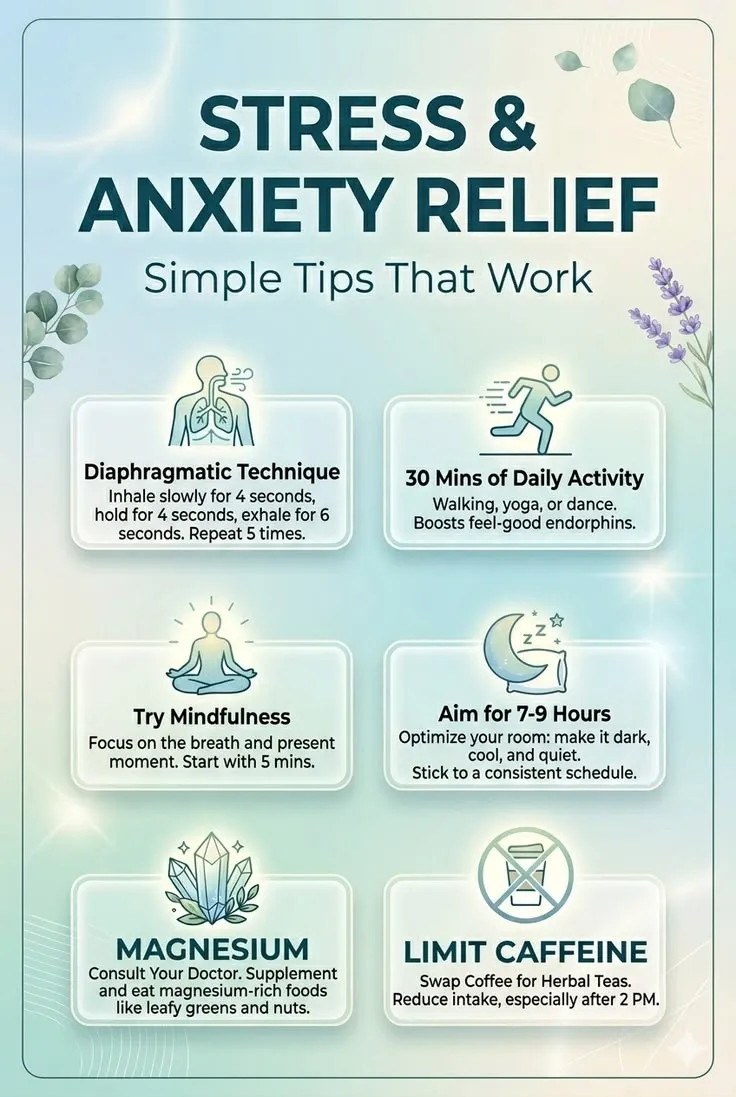
Stress can appear during ordinary life and may come from work, studies, finances, relationships, family responsibilities, illness, or major changes. Short periods of stress can help people respond to immediate challenges and complete demanding tasks. Problems can arise when stress continues for long periods without enough opportunity for rest or recovery. Different people respond to stressful situations differently, so useful coping strategies are not identical for everyone. Physical activity can help some people release tension and improve mood. Others may prefer music, reading, hobbies, breathing exercises, quiet time, or conversations with supportive people. Breaking a large responsibility into smaller tasks can make difficult situations feel more manageable. Short breaks can also provide mental space during demanding work or study periods. Regular sleep and balanced meals can help provide a stronger foundation during stressful weeks. Social connection matters because discussing concerns with trusted people can reduce feelings of isolation. However, persistent anxiety, hopelessness, major mood changes, or difficulty handling normal responsibilities should not be dismissed as ordinary stress. Professional mental health support can be appropriate when personal coping strategies are no longer sufficient. Thoughts of self-harm require immediate professional attention and should never be treated as something to simply wait out. Taking mental wellbeing seriously is an important part of maintaining overall health.
Basic Hygiene Still Matters
Simple hygiene habits can reduce exposure to many germs and help lower the risk of certain infections. Washing hands thoroughly with soap and clean running water remains one of the most useful everyday protective habits. Hands should be washed before eating, before preparing food, after using the toilet, and after handling potentially contaminated materials. A quick rinse may not provide the same cleaning benefit as proper washing with soap. When soap and water are unavailable, an alcohol-based hand sanitizer can be useful in suitable situations. Dental hygiene also needs regular attention because brushing with fluoride toothpaste helps protect against tooth decay. Cleaning between teeth can remove material from spaces that normal brushing may not reach effectively. Regular dental appointments can help identify problems before they become more painful or difficult to treat. Minor cuts and wounds should be kept appropriately clean and monitored for signs of infection. Food hygiene is also important because unsafe handling and storage can allow harmful microorganisms to multiply. Raw ingredients should be handled carefully, while food preparation surfaces should remain reasonably clean. Excessive household cleaning is not required for ordinary healthy living. Simple habits performed consistently usually provide more practical value than complicated routines that become difficult to follow. Hygiene works best when these actions become normal parts of daily life rather than occasional efforts.
Preventive Care Finds Risks
Preventive healthcare can help identify certain health concerns early and provide opportunities to reduce avoidable risks. The appropriate screening schedule varies according to age, family history, lifestyle, previous medical conditions, and other individual factors. People should therefore avoid copying another person’s testing schedule without discussing their own circumstances with a healthcare professional. Blood pressure checks can be valuable because elevated blood pressure may exist without noticeable symptoms. Vaccinations provide protection against several serious infections, with recommendations depending on age, health status, and local public health guidance. Dental and vision appointments may also be appropriate parts of routine preventive care. Family history can matter because certain conditions occur more frequently within particular families. Sharing that information during appointments can help professionals decide whether additional evaluation is appropriate. Keeping records of current medications, allergies, previous diagnoses, procedures, and vaccinations can make medical appointments more productive. New or unexplained symptoms should be discussed rather than repeatedly ignored. Preventive care does not mean assuming that a serious condition is present. It means making sensible decisions about checks based on personal risk and professional recommendations. Qualified professionals can determine which examinations are appropriate and when they should occur. Online information can help someone prepare questions, but it cannot replace an examination or individualized medical assessment.
Healthy Routines Should Adapt
A health routine should be flexible enough to survive ordinary disruptions because daily life rarely stays predictable. Travel, deadlines, family events, illness, celebrations, and unexpected responsibilities can all interrupt established habits. Missing one workout or eating an unusual meal does not mean that previous progress has disappeared. Returning to a healthy routine after the disruption is usually more useful than feeling guilty about what happened. Someone who cannot complete a long workout may still take a shorter walk when time allows. A person unable to cook may choose a reasonably balanced meal from available options instead. Sleep can also become temporarily irregular during demanding periods. The important part is restoring healthier patterns when circumstances become calmer. Smaller goals can make this process easier because they require less time and energy. A person might begin by walking for fifteen minutes, setting a regular bedtime, adding vegetables to meals, or arranging a delayed health appointment. Once that behavior becomes familiar, another change can be introduced. Some people enjoy tracking their habits, while others find constant measurement stressful. There is no requirement to use a particular method. Health routines should reflect personal schedules, physical abilities, preferences, and available resources. The goal is not perfection. The goal is creating useful habits that remain possible even when motivation and free time change.
Weight Needs Wider Understanding
Body weight can be useful in some medical assessments, but it cannot describe someone’s complete health condition by itself. Height, muscle mass, age, genetics, body composition, medical history, nutrition, and physical activity all influence the broader health picture. This is why extreme diets and rapid weight-loss promises deserve careful consideration. Highly restrictive eating patterns can become difficult to maintain and may create nutritional problems when poorly planned. Sustainable health changes usually involve several areas rather than focusing entirely on the number shown on a scale. Improving food quality, increasing suitable physical activity, sleeping adequately, and managing stress can all contribute to healthier routines. People with obesity, diabetes, eating disorders, or other medical concerns may need individualized professional support. Children and teenagers require additional care because their bodies continue growing and developing. Weight should never become a reason for shame, bullying, or harsh self-judgment. Appearance cannot reveal blood pressure, blood sugar, cholesterol, cardiovascular health, or many other internal measures. Someone can appear healthy while having an underlying medical condition, while another person may have a larger body and good fitness in several areas. Professional assessment provides better information than assumptions based on appearance. Health goals should emphasize wellbeing, physical function, sustainable habits, and appropriate medical measures when relevant. Progress can include better stamina, stronger muscles, improved sleep, and healthier eating patterns without dramatic changes in body weight.
Digital Balance Supports Wellness
Technology is useful for communication, education, work, entertainment, and accessing important information, but constant screen use can influence daily habits. Long periods spent on phones or computers can encourage extended sitting and reduce opportunities for movement. People with desk-based routines can benefit from regular breaks that involve standing, walking, stretching, or changing position. Screen use before bedtime can also make relaxation harder for some individuals, particularly when the content is stimulating or emotionally intense. Turning off unnecessary notifications can reduce interruptions and make focused periods easier. Some people may also benefit from screen-free meals or quiet periods during the evening. Technology should not be treated as automatically harmful because its value depends on how it is used. The aim is creating reasonable boundaries rather than avoiding digital devices completely. Social media can affect mood when constant comparison or endless scrolling becomes frustrating. Taking occasional breaks can help people notice whether particular online habits are useful or draining. Children may need age-appropriate guidance around screen time, online safety, sleep, and physical activity. Adults can also benefit from checking whether digital habits interfere with sleep, exercise, work, or relationships. A balanced digital routine allows technology to remain useful without allowing it to dominate every part of the day. Small changes can often make screen use more comfortable without requiring extreme restrictions.
Reliable Information Matters Too
Health information is widely available online, but the quality of that information can vary significantly. Some pages contain outdated recommendations, unsupported claims, exaggerated promises, or advice removed from its original context. Readers should prefer reliable medical institutions, recognized health authorities, qualified professionals, and evidence-based sources when researching health topics. Personal stories may be interesting, but one person’s experience does not prove that a treatment will work for everyone. A food, supplement, exercise routine, or treatment that appears helpful to one person may be unsuitable for another. Health recommendations can also change as new evidence becomes available. This makes publication dates and source quality important when evaluating online information. People should be cautious about claims promising instant cures, guaranteed results, or dramatic health changes from one simple product. Persistent symptoms should not be self-diagnosed through online articles alone. Healthcare professionals can consider medical history, physical findings, medications, and appropriate tests before making an assessment. Emergency symptoms require urgent medical attention rather than waiting for an internet explanation. Reliable information should help people ask better questions and make more informed decisions. It should not encourage unnecessary fear or replace professional medical evaluation. Learning how to judge health information carefully has become an important everyday skill.
Small Steps Can Continue
Health improvements often become easier when they begin with one manageable action rather than an enormous lifestyle overhaul. A person might start by improving sleep consistency, walking regularly, eating more varied meals, drinking enough fluids, or arranging a routine medical appointment. Once one behavior becomes familiar, another can be introduced without making the routine overwhelming. Family members can support healthier habits by sharing meals, walking together, or creating calmer evening routines. Friends can also provide encouragement when someone is trying to become more active or improve everyday habits. Workplaces and communities influence health as well because access to safe spaces, nutritious foods, reasonable schedules, and healthcare services can make healthy choices easier. Personal effort matters, but circumstances can strongly influence what people are realistically able to do. Comparing progress with others rarely helps because everyone starts from different conditions and has different responsibilities. Healthy changes often produce gradual results rather than dramatic overnight differences. Better energy, improved sleep, increased stamina, stronger muscles, and more consistent routines can all represent meaningful progress. The best habits are usually those that can continue after initial motivation becomes weaker. Health is an ongoing process that changes with age, circumstances, and personal needs. Patience is therefore more useful than expecting instant results.
Final Thoughts For Everyday Wellness
Health is influenced by many connected habits rather than one perfect choice made on a single day. Sleep, balanced nutrition, movement, hydration, hygiene, emotional wellbeing, preventive care, and sensible technology use can all support a healthier lifestyle.
There will always be busy days when routines become difficult to follow, and that does not mean the effort has failed. Returning to useful habits after interruptions is often more important than trying to maintain perfect consistency. People should pay attention to unusual or persistent symptoms and seek professional evaluation when appropriate. General health information can explain broad principles, but individual medical decisions require qualified healthcare guidance. Avoid extreme promises, unsupported treatments, and quick solutions that claim to fix every problem. Choose practical habits that fit your actual circumstances and can continue for months rather than days. For more useful health information and everyday wellbeing guidance, continue exploring dependable resources while discussing personal medical concerns with qualified healthcare professionals. Make informed choices, stay patient with your progress, and build healthier routines through realistic changes that fit your everyday life.
Read also :-