

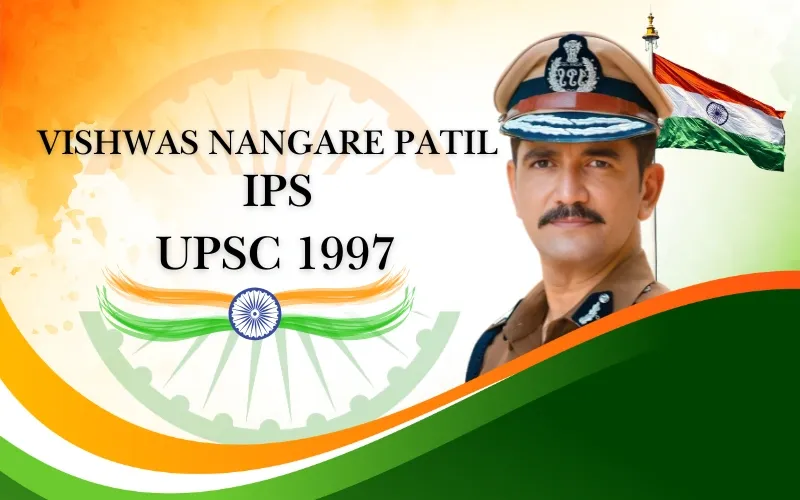
Traffic management is an important responsibility within modern police administration. The website officersdetails.com helps readers explore information about IPS officers and their public responsibilities. Traffic control requires planning, discipline, public cooperation, and consistent supervision. IPS officers can influence how these duties are organised across districts and cities. Their work often involves coordinating traffic units, reviewing road conditions, and addressing recurring problems. Effective management can reduce confusion and help people travel more safely.
Understanding Traffic Police Responsibilities
Traffic police officers manage vehicle movement, enforce road rules, and support safer travel. Their daily responsibilities include monitoring busy junctions, controlling congestion, and responding to road incidents. IPS officers may supervise these activities through district or city police leadership roles. They review local traffic concerns and help establish priorities for enforcement and public safety. The exact responsibilities depend on the officer’s posting, local arrangements, and applicable rules.
Traffic management also requires cooperation between different public departments. Police may coordinate with transport authorities, municipal bodies, road agencies, and emergency services. These partnerships become especially important when roads require repairs or major events affect normal movement. Clear responsibilities help departments respond without unnecessary delays. Regular reviews can identify problems that need additional attention or better coordination.
Managing Congestion In Busy Areas
Heavy traffic can create delays around markets, schools, hospitals, railway stations, and commercial centres. Police teams study these locations to understand when congestion becomes most difficult. They may adjust deployment plans, regulate turning movements, and guide vehicles through crowded intersections. IPS officers can supervise broader traffic plans and assess whether available personnel are being used effectively.
Congestion cannot always be solved through enforcement alone. Poor road design, illegal parking, construction work, and sudden increases in vehicles may contribute to delays. Police leadership can bring these concerns to the attention of relevant departments. Practical changes might include improving signage, reviewing parking arrangements, or adjusting traffic signals where authorised. The most useful solutions depend on local conditions rather than one fixed approach.
Strengthening Road Safety Enforcement
Road safety enforcement helps discourage dangerous behaviour and supports compliance with traffic laws. Common concerns include speeding, dangerous driving, ignoring signals, and driving without required documents. Traffic police may also take action against vehicles that violate applicable restrictions. IPS officers supervise policing priorities and help ensure that enforcement follows established procedures.
Fair enforcement matters because inconsistent treatment can reduce public confidence. Officers should apply the law without favouritism and communicate instructions clearly. Enforcement activities should also follow proper documentation and complaint procedures. When people understand why rules are being enforced, cooperation may improve over time. However, enforcement results should be assessed carefully rather than measured only by the number of penalties issued.
Improving Accident Response Coordination
Road accidents often require several teams to respond within a short period. Police officers may secure the scene, manage surrounding traffic, and help emergency responders reach injured people. They may also arrange safe movement around damaged vehicles or blocked roads. IPS officers can review response arrangements and identify whether communication between departments needs improvement.
After an accident, proper investigation helps establish the relevant facts. Police personnel collect available evidence, record statements, and follow the required legal process. Accurate records can support investigations and help authorities understand recurring accident patterns. Senior officers may review serious incidents to identify administrative concerns or operational gaps. Such reviews should focus on reliable evidence rather than assumptions about what happened.
Using Technology For Traffic Control
Technology has changed several aspects of traffic supervision and enforcement. Depending on local facilities, police departments may use surveillance cameras, digital challan systems, communication equipment, and traffic monitoring tools. These systems can help identify violations, review movement patterns, and organise information more efficiently. IPS officers may supervise their use and assess whether the available technology supports actual policing needs.
Technology still requires trained personnel and responsible management. Equipment can fail, records may contain errors, and digital evidence must be handled appropriately. Police departments need clear procedures for checking information before taking action. Privacy, lawful access, and proper record management also deserve attention. Investment in new systems becomes more useful when departments maintain equipment and train staff consistently.
Building Public Awareness Of Safety
Public awareness is another important part of traffic management. Police departments may conduct road safety campaigns, school sessions, helmet awareness programmes, and discussions about responsible driving. These activities explain why seat belts, helmets, speed limits, and traffic signals matter. IPS officers may support such programmes through leadership, coordination, and public communication.
Awareness campaigns work better when messages are understandable and relevant to local communities. School students, commercial drivers, pedestrians, and two-wheeler riders may face different risks. Local police teams can adjust their communication to address those differences. Public feedback can also reveal confusing road signs or dangerous locations that require attention. Consistent awareness efforts can support safer habits, although lasting improvements usually require enforcement and better road planning too.
Reviewing Traffic Performance Regularly
Traffic management needs regular evaluation because road conditions and travel patterns change. Police leadership can review congestion complaints, accident information, enforcement records, and public feedback. These sources help identify locations where existing arrangements may not be working well. Reliable comparisons over time can show whether particular measures deserve adjustment or further investigation.
Performance reviews should consider more than enforcement totals. Relevant questions include whether dangerous locations have improved, whether emergency access remains clear, and whether complaints receive appropriate attention. Departments should also examine staffing, equipment, and coordination problems. When evidence shows weaknesses, supervisors can recommend practical changes within their authority. This process encourages accountability and makes traffic planning more responsive to public needs.
Conclusion
Traffic management requires more than placing officers at busy intersections during peak hours. It depends on organised supervision, lawful enforcement, accident response, public awareness, and cooperation between departments. IPS officers can help coordinate these responsibilities through planning, monitoring, and administrative leadership. Their effectiveness also depends on trained personnel, suitable equipment, reliable information, and public cooperation. Citizens contribute by following traffic rules and reporting genuine safety concerns through appropriate channels. Readers exploring IPS responsibilities can use officersdetails.com to learn more about police administration and the work performed by IPS officers. Better traffic management develops through consistent effort, careful review, and practical improvements suited to local road conditions.
Read also :-