

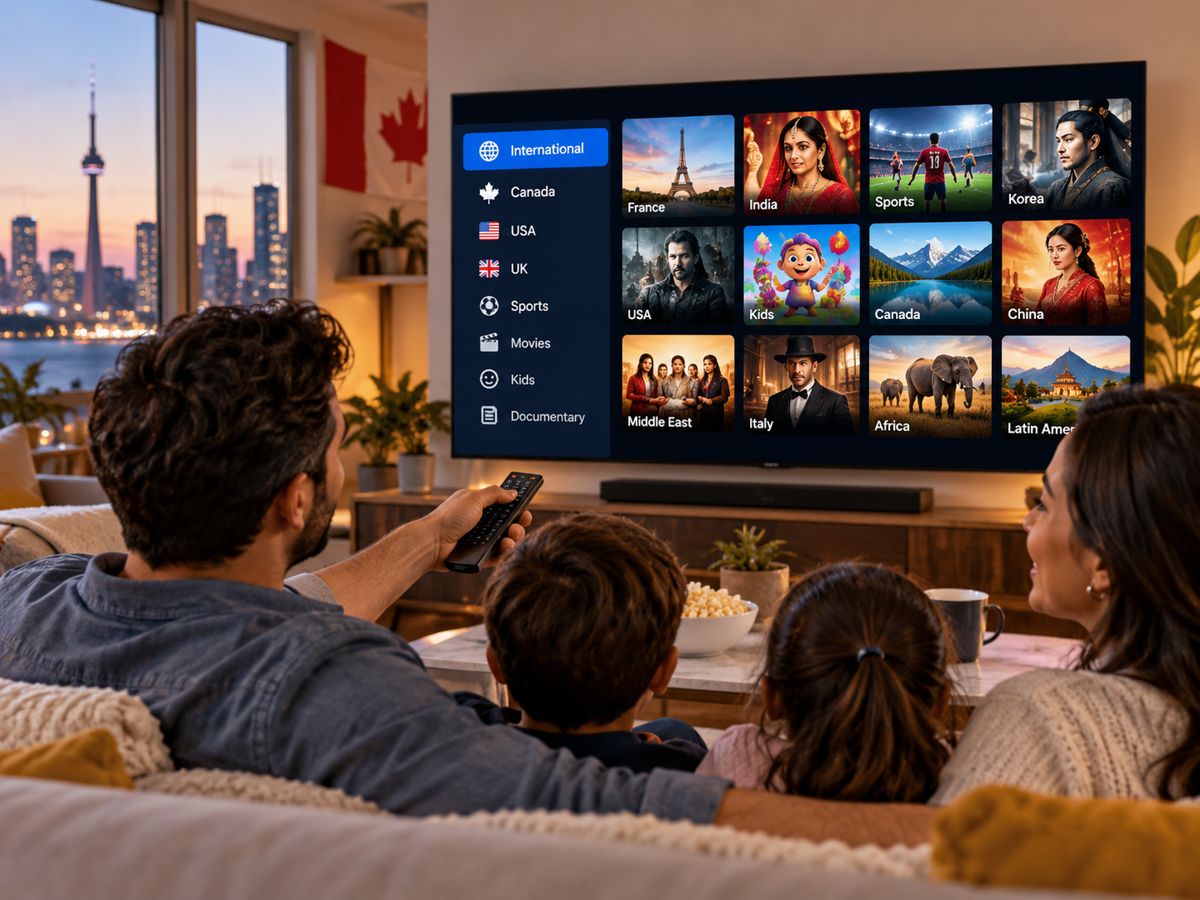
A successful movie night depends on more than choosing a title. It involves the screen, the sound, the internet connection, the app and, importantly, whether the film is available from an authorized source. Canadian households can improve the experience without buying every new streaming gadget.
Match the equipment to the room
For a small living room, good contrast, reasonable brightness and correctly positioned speakers may matter more than the highest advertised resolution. Adjust motion smoothing if films look unnaturally fluid. On a streaming device, use its native output setting and check that the television actually supports the intended format.
Choose services by the films you watch
Build a short watchlist before subscribing. Search recognized licensing and availability sources for each title, since film catalogues change by country and month. Rather than assuming any internet-TV provider carries everything, verify availability, rental options, parental ratings and regional restrictions. This avoids paying for overlapping subscriptions that do not serve the household.
Prevent interruptions before guests arrive
Update the player application early, restart a sluggish streaming stick, and test the Wi-Fi signal behind the television. If the movie repeatedly buffers, compare playback on another device or connect the box by Ethernet. Keep subtitles enabled where helpful and set audio output to match the speaker arrangement to avoid dialogue that is difficult to hear.
Keep the household setup simple
Create a dedicated app row or home-screen folder for legitimate film services. Teach family members one method to find subtitles and one way to return to the home screen. For households with several televisions, document which accounts and simultaneous-viewing permissions apply to each. The smoothest movie night is usually the one with fewer last-minute decisions.
Design the movie night around the audience
Choose the film before guests arrive and verify its legal availability in the correct region. Confirm whether the service includes the title, whether it needs a separate rental, and what audio and subtitle tracks are supported. A film with quiet conversations and loud action benefits from a quick sound check; ordinary TV speakers can make dialogue hard to understand. Test the stream on the same screen and audio system you plan to use for the evening.
Prevent interruptions without overcomplicating the room
For a predictable picture, minimize simultaneous heavy downloads and, where practical, connect the main screen by Ethernet. Disable disruptive notifications and check for system updates earlier in the day, not during the opening scene. Keep a legitimate backup option if the selected streaming service becomes unavailable. Smaller details also matter: dim reflections, position the seating comfortably and leave the remote where everyone can reach it. Good movie nights usually depend more on preparation than on an expensive subscription.
Putting the ideas into practice
Readers researching internet television can use an IPTV Canada overview as a starting point and a dedicated streaming on several devices to understand viewing across rooms.
Before choosing any provider, confirm regional availability, authorized distribution rights, device compatibility and the service’s current terms. Treat unsupported claims about channels or performance with caution.
Useful next steps
For readers who want to explore the practical options discussed above, the IPTV Canada overview is a starting point for comparing service information, compatibility and terms. For a more specific reference, see the streaming on several devices resource, and check that the advice applies to your devices and region.