

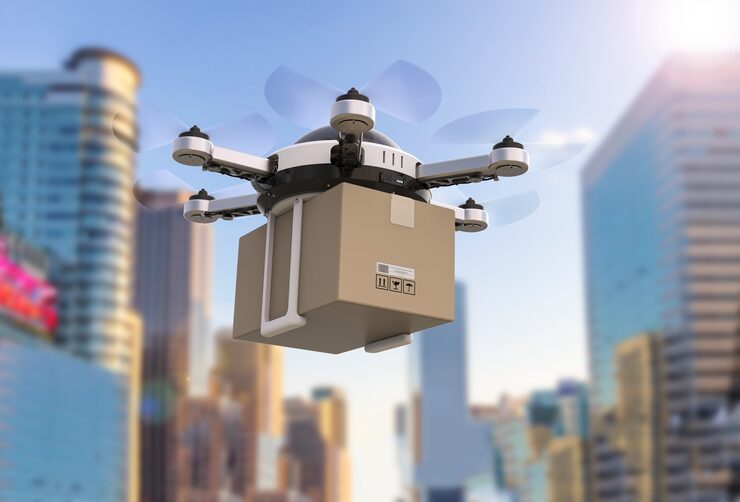
Smart Courier Tech is changing how parcels move, how customers track their shipments, and how delivery companies manage operations. In the past, sending a courier often meant uncertainty — no real-time tracking, delayed updates, and guesswork about arrival times. Today, technology has made delivery systems faster, smarter, and more transparent than ever before.
Whether it’s a small local business sending daily packages or a multinational logistics company delivering across continents, Smart Courier Tech ensures accuracy, efficiency, and customer satisfaction. From GPS-enabled tracking to AI-driven analytics, these innovations are redefining the logistics landscape.
The evolution of courier systems represents more than just technological progress; it marks a fundamental shift in customer expectations and operational excellence.
Understanding the Rise of Smart Courier Tech
In the age of instant gratification, customers expect real-time updates and error-free delivery experiences. This growing demand for transparency gave birth to Smart Courier Tech, a fusion of IoT, artificial intelligence, automation, and data analytics designed to improve logistics performance.
With smart systems, courier companies can now monitor every shipment’s journey in real time — from warehouse to doorstep. These technologies not only minimize errors but also allow businesses to optimize routes, reduce fuel costs, and enhance delivery accuracy.
For instance, GPS-enabled devices track the courier’s exact location, while automated notifications inform customers of expected delivery times. If a delay occurs due to traffic or weather, predictive analytics can adjust delivery schedules automatically.
What once required manual coordination and hours of customer service calls now happens seamlessly with technology working behind the scenes.
How Smart Courier Tech Enhances Transparency and Trust
One of the most significant advantages of Smart Courier Tech is the transparency it offers. Customers today value visibility as much as speed. The ability to know exactly where their parcel is — and when it will arrive — builds confidence and loyalty.
Courier firms have integrated user-friendly tracking interfaces into mobile apps and websites, enabling customers to follow every stage of their delivery. They can see when a package is picked up, loaded, en route, and out for delivery.
This transparency eliminates uncertainty and reduces customer support requests. Moreover, automated alerts through SMS or app notifications improve communication and provide real-time status without manual intervention.
Transparency also benefits logistics companies internally. Real-time tracking allows dispatchers to identify inefficiencies, reroute deliveries, and prevent losses. It creates accountability among couriers, ensuring that every parcel is handled responsibly.
Artificial Intelligence in Smart Courier Tech
Artificial Intelligence (AI) is the brain behind Smart Courier Tech. It enables predictive analytics, process automation, and intelligent decision-making throughout the supply chain.
AI systems analyze massive volumes of data — including delivery routes, weather forecasts, and traffic conditions — to optimize logistics performance. These insights help couriers deliver faster and more efficiently while cutting costs.
Machine learning models can even predict potential delivery failures before they happen. For example, if traffic congestion is detected, the system automatically suggests an alternative route to avoid delays.
AI also powers chatbots and virtual assistants that provide instant updates to customers, answer queries, and manage complaints. This automation reduces operational pressure while improving the customer experience.
In large courier networks, AI-driven sorting systems in warehouses identify, categorize, and direct parcels to the correct destination automatically. This reduces human error and accelerates delivery turnaround time.
The Role of IoT in Courier Tracking
The Internet of Things (IoT) plays a crucial role in Smart Courier Tech, connecting devices, vehicles, and sensors to create a real-time data ecosystem. Every parcel equipped with a smart label or tracking chip becomes part of an intelligent network that communicates continuously.
IoT sensors monitor variables like temperature, humidity, and vibration, ensuring fragile or perishable items remain in optimal conditions. For pharmaceutical or food deliveries, this level of tracking ensures compliance with safety standards.
Fleet vehicles equipped with IoT devices share live data about their location, route progress, and driver behavior. This allows logistics teams to make informed decisions instantly, reducing fuel consumption and preventing delays.
The interconnected nature of IoT transforms courier management from reactive to proactive — problems are identified and solved before they escalate.
Blockchain: Securing the Future of Smart Courier Tech
Security and authenticity are vital in logistics. Blockchain technology has emerged as a powerful tool within Smart Courier Tech, offering a secure, tamper-proof record of every transaction and movement in the delivery chain.
Each parcel’s journey is logged as an immutable record on a distributed ledger. This ensures transparency and prevents data manipulation. For high-value or confidential shipments, blockchain verification adds an extra layer of trust.
Additionally, blockchain enables smart contracts — automated agreements that trigger specific actions when conditions are met. For example, payment can be released automatically once the system confirms successful delivery.
These innovations minimize fraud, reduce disputes, and improve accountability across all stakeholders in the courier ecosystem.
Data Analytics Driving Smarter Deliveries
Data is the fuel that powers Smart Courier Tech. Every scan, route, and customer interaction generates valuable information. Advanced analytics tools process this data to identify trends, optimize performance, and predict future demand.
For instance, by analyzing delivery volume patterns, companies can allocate resources more efficiently during peak seasons. Predictive analytics can even forecast which delivery routes will be busiest and adjust operations accordingly.
Data visualization dashboards give managers a clear overview of performance metrics — from delivery time averages to customer satisfaction scores. With these insights, businesses can make strategic decisions that improve service quality and reduce operational costs.
In essence, data analytics transforms courier management from guesswork into science — measurable, actionable, and continuously improving.
The Human Element Behind Smart Courier Tech
While technology drives progress, the human element remains vital. The success of Smart Courier Tech depends on skilled personnel who can interpret data, manage systems, and ensure seamless coordination between digital tools and physical delivery processes.
Training plays a key role here. Couriers must understand how to use smart scanners, GPS systems, and delivery apps efficiently. Dispatchers and managers need the ability to interpret analytics and respond to real-time system alerts.
A strong human-technology partnership ensures the system operates smoothly and consistently delivers exceptional results.
Customer service teams also benefit from technology by gaining access to real-time information. This enables them to provide accurate answers and quick resolutions, improving the overall service experience.
Real-World Impact of Smart Courier Tech
Across the world, companies implementing Smart Courier Tech are witnessing measurable results. Delivery times are shorter, lost parcels are fewer, and customer satisfaction levels are higher.
A regional courier company in Singapore adopted AI-based route optimization and saw delivery efficiency improve by 25%. Similarly, a global logistics firm using IoT sensors reduced lost shipments by nearly 40% in one year.
Even small businesses are benefiting from affordable smart tools. Local retailers now use app-based delivery management systems to track orders and send automated updates to customers — a feature once exclusive to large enterprises.
This democratization of technology means every courier service, big or small, can now compete on efficiency and reliability.
Sustainability and Smart Courier Tech
Sustainability is no longer an afterthought in logistics. The integration of Smart Courier Tech helps businesses reduce their environmental impact while improving performance.
By analyzing data and optimizing routes, couriers use less fuel, cutting carbon emissions. Electric vehicles and drone deliveries are becoming common, driven by smart software that plans efficient routes.
Digital tracking and paperless documentation further contribute to greener operations. Many logistics firms have completely transitioned to e-bills and digital proof-of-delivery systems.
Sustainability isn’t just about reducing carbon footprints — it’s also about long-term operational efficiency and responsible business practices. Smart technology makes this balance achievable.
Challenges in Implementing Smart Courier Systems
Despite its advantages, Smart Courier Tech presents certain challenges. Integrating multiple technologies like AI, IoT, and blockchain requires significant investment and expertise.
Data privacy is another concern. With real-time tracking and personal information exchange, companies must ensure strong cybersecurity measures to prevent breaches.
Additionally, smaller courier businesses may struggle with the high initial setup costs. However, the rise of cloud-based logistics solutions has started to make smart systems more affordable and accessible.
The key to success lies in gradual adoption — starting with scalable solutions and expanding as operational needs grow.
The Future of Smart Courier Tech
The future of logistics will be defined by automation, intelligence, and sustainability — all driven by Smart Courier Tech.
Drone deliveries, autonomous delivery vehicles, and AI-driven warehouses will become commonplace. Predictive analytics will anticipate customer needs before orders are even placed, making logistics more proactive and efficient.
Integration across platforms will enable end-to-end visibility — from inventory management to doorstep delivery — all synchronized in real time.
As innovation continues, couriers will not just deliver parcels; they will deliver experiences — fast, secure, and personalized.
Technology will continue to evolve, but one thing remains constant: the goal of Smart Courier Tech — to make every delivery smarter, faster, and more reliable than ever before.
Read also:
www.shreetirupaticourier.net tracking
tcs tirupati courier tracking
shipment redirected on same awb
tirupati courier indore
sri lanka national cricket team vs bangladesh national cricket team match scorecard
arshin kulkarni stats
zimbabwe national cricket team vs new zealand national cricket team match scorecard