

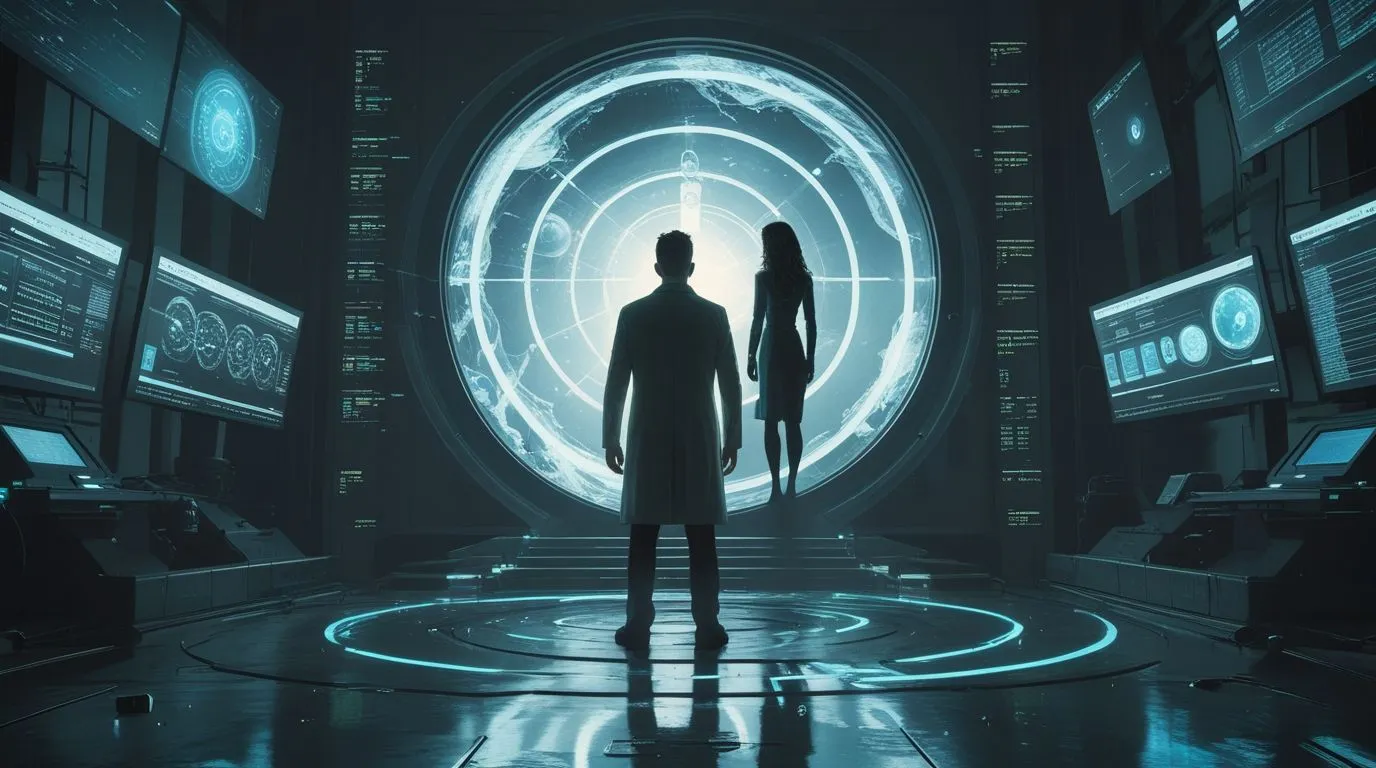
Science fiction has long captivated audiences with its ability to push the boundaries of human imagination, and within this genre, mind-bending sci-fi thrillers stand out as a uniquely gripping subset. These stories weave intricate narratives that challenge perceptions of reality, time, and identity, drawing viewers or readers into worlds where the rules of existence are upended. The allure of mind-bending sci-fi thrillers lies in their ability to provoke deep thought while delivering pulse-pounding suspense, creating an experience that lingers long after the final page is turned or the credits roll. By blending speculative concepts with psychological tension, these tales invite audiences to question the nature of their own reality, making them a cornerstone of modern storytelling.
The Power of Twisted Narratives
Mind-bending sci-fi thrillers thrive on narratives that defy straightforward storytelling. Unlike traditional linear plots, these stories often employ non-linear timelines, unreliable narrators, or fragmented perspectives to keep audiences guessing. Films like Inception masterfully blend dream worlds with reality, forcing viewers to navigate a labyrinth of perception alongside the characters. Similarly, novels like Philip K. Dick’s Ubik present realities that shift unpredictably, leaving readers to piece together what is true. This narrative complexity is a hallmark of the genre, as it engages the audience’s intellect while maintaining an emotional grip through high-stakes drama. The constant interplay between what is known and what is uncertain creates a thrilling dynamic that is both disorienting and exhilarating.
Read also: betterthistechs article
Blurring the Lines of Reality
At the heart of mind-bending sci-fi thrillers is the question of what constitutes reality. These stories often challenge the audience to distinguish between truth and illusion, creating a sense of unease that is both thrilling and thought-provoking. In The Matrix, the revelation that humanity is trapped in a simulated reality forces both characters and viewers to confront the fragility of their perceived world. This theme resonates deeply in a digital age where virtual realities and artificial intelligence are increasingly prevalent. By presenting worlds where reality is malleable, these thrillers tap into universal anxieties about control, autonomy, and the nature of existence, making them profoundly relevant to contemporary audiences.
Time as a Narrative Playground
Time manipulation is another key element that elevates mind-bending sci-fi thrillers. Whether through time loops, alternate timelines, or temporal paradoxes, these stories use time as a tool to create tension and complexity. Looper explores the consequences of time travel through a gritty lens, where characters confront their past and future selves in a battle for survival. Similarly, Primer takes a cerebral approach, presenting a dense, almost puzzle-like narrative that rewards careful attention. By bending the rules of time, these stories challenge audiences to rethink causality and consequence, delivering a narrative experience that feels like solving a mystery while racing against the clock.
Know More: betterthisworld money
The Psychological Edge
What sets mind-bending sci-fi thrillers apart from other genres is their intense focus on psychological depth. These stories often place characters in situations where their sanity, identity, or morality is tested, creating a visceral connection with the audience. In Shutter Island, the protagonist’s descent into psychological uncertainty blurs the line between hero and victim, keeping viewers on edge. Similarly, Annihilation combines cosmic horror with introspective character studies, as its characters grapple with existential dread in an alien landscape. This psychological intensity amplifies the stakes, making every twist not just a plot device but a profound exploration of the human mind under pressure.
Technology and Humanity in Conflict
Mind-bending sci-fi thrillers often explore the tension between technological advancement and human nature. Stories like Ex Machina delve into the ethical dilemmas of artificial intelligence, presenting characters who must navigate the blurred lines between creator and creation. The genre frequently uses technology as a catalyst for its mind-bending elements, whether through neural implants, virtual simulations, or genetic engineering. These speculative technologies serve as a mirror to our own world, where rapid advancements raise questions about identity, privacy, and control. By grounding their narratives in plausible yet futuristic innovations, these thrillers resonate with audiences who see echoes of their own technological anxieties.
Explore More: stocks betterthisworld
The Enduring Appeal
The enduring popularity of mind-bending sci-fi thrillers lies in their ability to balance intellectual stimulation with emotional intensity. These stories demand active engagement, rewarding those who pay close attention with revelations that reframe entire narratives. They also tap into universal themes—identity, reality, and the passage of time—while delivering the adrenaline rush of a thriller. Whether through the intricate plotting of Memento or the philosophical musings of Blade Runner 2049, the genre continues to evolve, pushing the boundaries of storytelling. As technology advances and our understanding of reality shifts, mind-bending sci-fi thrillers remain a vital medium for exploring the unknown, challenging audiences to question not just the worlds on screen or page, but the very fabric of their own existence.
Visit For More Info: