


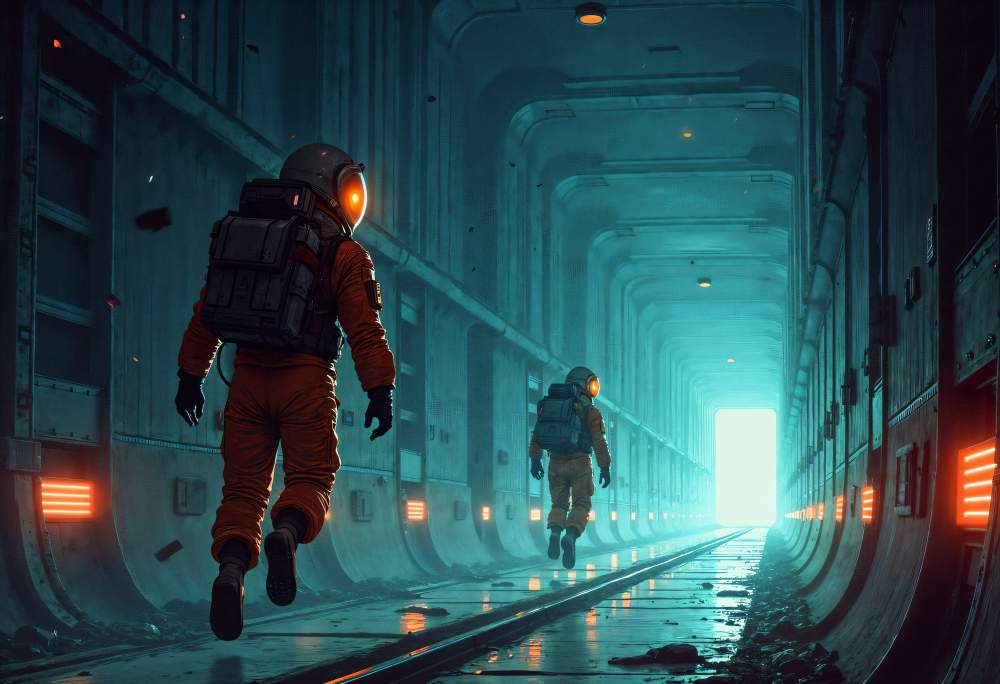
Science fiction (sci-fi) movies have captivated audiences for decades, offering a window into the unknown, the future, and the often mind-boggling possibilities of science and technology. These films transport viewers to distant planets, alternate dimensions, and futuristic worlds where anything is possible—from time travel and artificial intelligence to space exploration and dystopian futures. As a genre, science fiction serves as both entertainment and a mirror for contemporary societal fears, hopes, and questions about the future of humanity. In this post, we will delve into the allure of science fiction movies, explore some iconic examples, and consider the ways in which the genre reflects and shapes our understanding of the world.
The Appeal of Science Fiction
Science fiction has a unique ability to blend imaginative speculation with grounded reality. At its core, sci-fi asks “what if?” What if robots gained consciousness? What if humanity colonized Mars? What if time travel were possible? These “what if” questions allow audiences to explore hypothetical futures, pushing the boundaries of what we believe is scientifically feasible. Sci-fi films often present thrilling narratives that tackle philosophical and ethical issues, technological advancements, and the implications of humanity’s evolving relationship with nature, space, and machines.
The genre appeals to a wide range of viewers, from those interested in cutting-edge technology to others fascinated by stories of human survival or moral dilemmas. Sci-fi allows filmmakers to create visually stunning and conceptually rich worlds, often with advanced special effects and mind-bending narratives. Through its speculative nature, the genre explores potential futures that raise important questions about human identity, the limits of science, and the direction of society.
A Brief History of Science Fiction Cinema
The history of science fiction in cinema is a rich and diverse one. Early films like A Trip to the Moon (1902) by Georges Méliès introduced audiences to the idea of fantastical journeys into space. In the decades that followed, films like Metropolis (1927) and Frankenstein (1931) tackled themes of industrialization, technological advancement, and human responsibility. These early films set the groundwork for what would become the golden age of sci-fi cinema in the 1950s and 1960s, with movies like The Day the Earth Stood Still (1951), Invasion of the Body Snatchers (1956), and 2001: A Space Odyssey (1968).
The 1970s and 1980s saw the rise of blockbusters like Star Wars (1977), Alien (1979), and Blade Runner (1982), which cemented the genre’s place in mainstream popular culture. These films used science fiction to tell stories of rebellion, exploration, and existential crisis, combining high-octane action with deep, philosophical questions.
In more recent years, films such as The Matrix (1999), Inception (2010), Interstellar (2014), and Arrival (2016) have continued to push the boundaries of the genre, exploring complex ideas like simulated realities, dream manipulation, time dilation, and extraterrestrial communication. Sci-fi remains one of the most dynamic and evolving genres in cinema, continually reflecting the anxieties and aspirations of the present while imagining what lies ahead.
Key Themes in Science Fiction Movies
1. Space Exploration and the Unknown
Space has long been one of the primary settings for science fiction films, representing both the ultimate frontier and the ultimate unknown. Movies like 2001: A Space Odyssey and Interstellar showcase the vast, often terrifying possibilities of space travel, raising questions about humanity’s place in the cosmos. These films not only depict stunning, alien landscapes but also delve into existential questions about the future of human civilization.
In recent years, space exploration in films like The Martian (2015) and Ad Astra (2019) have taken a more grounded, realistic approach, focusing on survival and the harsh realities of space travel. These films illustrate the risks and rewards of venturing beyond Earth, reflecting humanity’s real-world ambitions for space exploration.
2. Artificial Intelligence and Consciousness
AI has become one of the most popular themes in modern sci-fi movies. Films such as Blade Runner, Ex Machina (2015), and Her (2013) grapple with the ethics and implications of creating machines that can think and feel. These movies explore the blurred lines between human and machine, questioning whether artificial life can have consciousness, rights, and emotions.
Sci-fi films that focus on AI often present dystopian visions of the future, where machines gain control over humanity (The Terminator series, The Matrix) or exist in morally gray areas, serving as both companion and threat. Through AI, science fiction reflects growing anxieties about the rapid pace of technological advancement and its potential to reshape society.
3. Time Travel and Alternate Realities
Time travel is another beloved sci-fi trope that has produced a range of iconic films, from the lighthearted adventures of Back to the Future (1985) to the mind-bending complexities of Inception. Time travel films allow characters to explore alternate realities, fix past mistakes, or change the course of history—sometimes with unintended consequences.
Movies like Looper (2012) and Tenet (2020) have taken the time travel concept even further, presenting intricate, nonlinear narratives that challenge audiences to think critically about the nature of time and causality.
4. Dystopian Futures
Dystopian sci-fi films envision a future where society has crumbled or fallen under authoritarian rule, often as a result of technological advancements gone awry. Films like The Hunger Games (2012), Children of Men (2006), and Mad Max: Fury Road (2015) depict bleak futures where humanity is pushed to its limits in the face of environmental disasters, political oppression, or resource scarcity.
These films serve as cautionary tales, warning against the dangers of unchecked power, environmental destruction, and over-reliance on technology. Dystopian sci-fi often reflects contemporary fears about climate change, surveillance, and inequality, showing how far society could fall if these issues are left unchecked.
Iconic Science Fiction Movies
Star Wars (1977)
One of the most successful and influential sci-fi franchises of all time, Star Wars combines space opera with themes of rebellion, destiny, and the struggle between good and evil. George Lucas’s galaxy-spanning epic has become a cultural phenomenon, with its iconic characters, groundbreaking special effects, and timeless story of hope and resistance.
Blade Runner (1982)
A quintessential example of the cyberpunk genre, Blade Runner is set in a dystopian future where replicants—genetically engineered beings—are hunted by “blade runners.” The film explores deep philosophical questions about the nature of identity, humanity, and memory, set against a backdrop of neon-lit urban decay.
The Matrix (1999)
A landmark film in terms of both its special effects and its narrative complexity, The Matrix envisions a future where humanity is unknowingly trapped inside a simulated reality created by machines. The film blends martial arts, cutting-edge CGI, and philosophical musings on reality, perception, and free will.
The Influence of Science Fiction on Society
Science fiction movies have not only entertained audiences but also inspired innovation. Concepts like video calls (2001: A Space Odyssey), autonomous vehicles (Total Recall), and artificial intelligence (Blade Runner) have either come to fruition or are in development today. Sci-fi encourages viewers to think critically about the future and how science might shape it.
Moreover, the genre has sparked debates on ethical issues, such as privacy in a surveillance-driven world, AI rights, and the environmental consequences of technological advancement. Sci-fi films reflect humanity’s deepest hopes and fears about what lies ahead, often serving as a catalyst for real-world discussions on science, technology, and ethics.
autofixteam.com
carleaseez.com
easyautofin.com
softprodigy.co.in
tofixmyspeaker.com
truegritconcepts.com
skyreachdigital.co.in
flaremagazine.uk
love-calculator.co.in
cyclo4fun.com
vdmakeup.com
viralinformation.co.in
ibommaone.me
viagogodirect.com
absoluteittech.com
skyreachseo.com
sportshoesjapann.com
autosafeplan.com
bizmarketpros.com
carfinlease.com
secureautoin.com
selcuksportslive.com
sportsmoneytalk.com
carinnovhub.com
FutureCarMakers.com
wed-lock.co.in
focuscosworth.co.uk
Conclusion
Science fiction movies are a window into the future, offering viewers the chance to explore far-off worlds, advanced technologies, and complex moral dilemmas. From space exploration to artificial intelligence, the genre asks profound questions about humanity’s place in the universe and the future of our species. As technology continues to evolve, sci-fi will undoubtedly remain a vital and exciting genre, pushing the boundaries of imagination and sparking meaningful conversations about what lies ahead for humanity.