


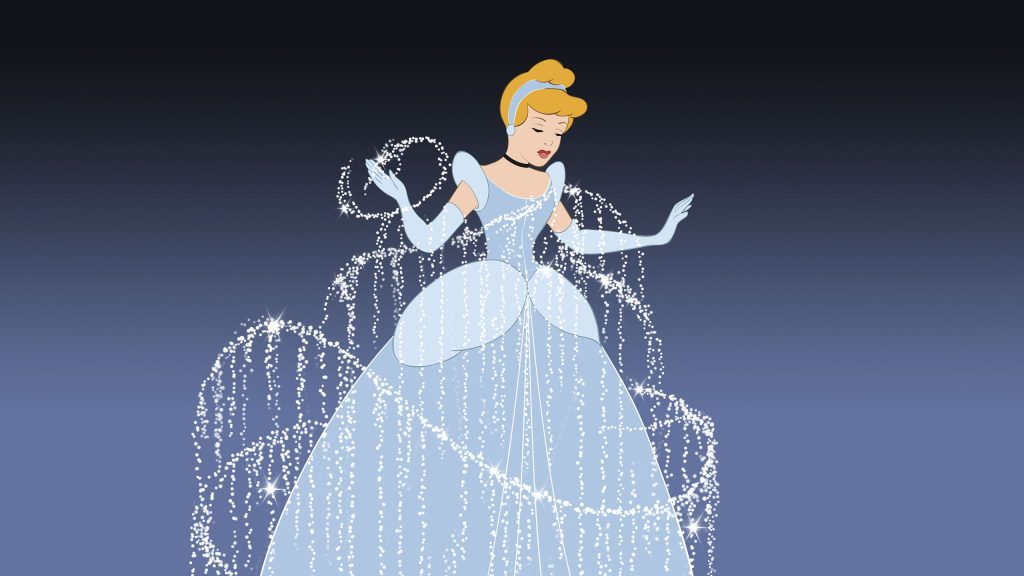
The name Cinderella has been etched into the hearts of generations as the beautiful young woman who went from rags to royalty with a little help from a fairy godmother and a lot of grace under pressure. But if you’ve watched Disney’s more recent retellings—especially the 2015 live-action version—you may have noticed something curious: the character is often called Ella, especially before she earns her fairy tale ending. So, why the shift?
In this article, we’ll explore the origins of the name Cinderella, the reason Disney emphasizes “Ella” in its adaptations, and what this all means for the modern version of this iconic character. Whether you’re a lifelong Disney fan or a curious parent rewatching the classics with your kids, you’re about to see Cinderella in a whole new light.
A Brief History of the Name Cinderella
The name Cinderella is actually derived from the French story “Cendrillon,” written by Charles Perrault in 1697. In French, cendre means “ash” or “cinder,” so “Cendrillon” can be interpreted as “little ash girl” or “girl of the cinders.”
In Perrault’s version, the name Cinderella is given to the main character by her mean stepsisters, mocking her for her dirty appearance after being forced to clean fireplaces and sleep by the hearth. It’s not her birth name—it’s a cruel nickname, meant to belittle her.
Over the centuries, countless cultures have shared their own versions of the Cinderella story, including China’s Ye Xian, Egypt’s Rhodopis, and the German version by the Brothers Grimm. But the name Cinderella, associated with cinders and ashes, stuck around—especially in Western adaptations.
Disney’s Take: From Cinders to Ella
When Disney released its animated Cinderella movie in 1950, the name was used consistently throughout the film. The character is rarely, if ever, referred to as Ella. She is known by her fairy tale moniker from the beginning. This was in keeping with the fairy tale tradition at the time, where characters often had descriptive or symbolic names.
But when Disney rebooted the story in its 2015 live-action film Cinderella, starring Lily James, the tone changed. In this version, Ella is clearly introduced as the character’s real name, and Cinderella is later shown to be the cruel nickname given to her by her stepsisters and stepmother.
This small change in naming isn’t just a creative liberty—it actually says a lot about the evolution of Disney storytelling.
Why the Change Matters: A More Humanized Cinderella
So, why does Disney make this distinction in the live-action film? Why refer to her as Ella?
1. To Emphasize Her Humanity
Giving the character a regular name like Ella makes her feel more relatable and grounded. Rather than starting the story as a fantasy figure, she begins as a normal young woman with a real identity. We watch as that identity is slowly buried under cruelty and hardship—and the name Cinderella becomes a symbol of that loss.
By focusing on Ella, the story humanizes the character and creates a stronger emotional connection with the audience.
2. To Highlight the Cruelty of the Nickname
When the stepsisters start calling her Cinderella in the 2015 film, the name carries a sting. It’s meant as an insult, a reminder of her lowly position in the household. This choice reinforces the theme of resilience and inner dignity. Ella does not let the name define her, even as she continues to show kindness in the face of cruelty.
This approach subtly shifts the narrative from a passive “rags-to-riches” story to one of empowerment and identity reclamation.
3. To Align With Modern Storytelling Trends
Modern audiences—especially younger viewers and parents—appreciate deeper character development and psychological realism. Referring to her as Ella allows Disney to craft a more emotionally nuanced portrayal of Cinderella, moving beyond the idea of a helpless girl waiting to be rescued.
In today’s storytelling landscape, the journey toward self-worth and independence is just as important as finding love. Reclaiming the name Ella supports that arc.
Other Disney Characters and Naming Evolution
Disney has done this type of character refinement with other fairy tale figures too:
-
The Beast in Beauty and the Beast is given the name Prince Adam in some versions.
-
The Evil Queen in Snow White is sometimes referred to as Ravenna in spin-offs.
-
Sleeping Beauty is called Aurora, making her feel more like a real person than a symbolic princess.
These changes help modernize old fairy tales and align them with Disney’s evolving values: empowerment, authenticity, and emotional resonance.
What the Name “Cinderella” Symbolizes
While Ella may be her given name in Disney’s modern version, the name Cinderella still plays an essential role in the story. It’s not just a nickname—it becomes a badge of honor.
Here’s why:
From Ashes to Ascension
The name Cinderella literally refers to ashes and soot, traditionally symbols of humility and hardship. But in this case, they become symbols of resilience. The character rises from the ashes—both figuratively and literally—to claim her rightful place.
She doesn’t erase the name Cinderella. Instead, she transforms it from an insult into a triumph.
A Universal Archetype
The name Cinderella is globally recognized as a symbol of transformation, hope, and perseverance. It’s used in everyday language to describe someone who overcomes adversity: “a Cinderella story.”
So even as Disney humanizes the character with the name Ella, they keep the name Cinderella intact to honor its symbolic power.
Fun Fact: Real-Life Etymology of “Ella”
The name Ella itself comes from German and English origins, meaning “all” or “completely”—but it’s also sometimes associated with light or beauty. This adds an interesting layer to the character’s transformation: from Ella (her full, radiant self) to Cinderella (a reduced, mocked version of herself), and back to Ella again.
Her journey becomes not just about changing her circumstances, but about rediscovering her true identity.
What This Means for Viewers
For kids, hearing the name Ella makes the character feel more like someone they could meet in real life—or even someone they could be. It strips away some of the fairy tale gloss and reveals a relatable, emotional core.
For adults, it’s a reminder of how names—and the identities tied to them—can be shaped by our circumstances, but not defined by them.
Final Thoughts: The Power Behind the Name Cinderella
In Disney’s evolving portrayal, Cinderella isn’t just a fairy tale icon in a ballgown. She’s Ella—a courageous, kind-hearted young woman who never lets cruelty steal her kindness or her identity.
By shifting the focus to Ella, Disney invites us to see Cinderella not as a helpless dreamer, but as a resilient heroine who rises through hardship with dignity and strength.
So next time you watch Disney’s version, pay close attention to when she’s called Ella and when she’s called Cinderella. One name reflects where she starts. The other reflects where she ends up. But both are part of a story that continues to inspire millions around the world.
Know More: