


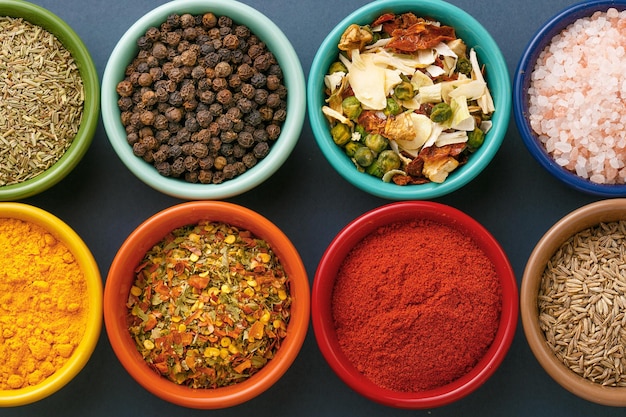
Spice Mixing Guide concepts are becoming essential for home cooks who want depth of aroma instead of one-dimensional heat or plain seasoning. While many people use spices every day, only a small percentage understand how pairing changes not just flavor, but the way the aroma blooms across a dish. When spices are layered thoughtfully, they shift from being ingredients to being mood-setters in the kitchen.
Spices are not merely about taste; they interact like musical notes. Some open a dish, some anchor it, some bridge flavors, and some finish the experience with fragrance. The difference between a flat recipe and a memorable one often lies in how spices are paired rather than how many are used. Pairing well is not about complication; it is about intention. (Spice Mixing Guide)
The Cultural Roots Behind Aroma Pairing
Across world cuisines, spices began as a way to preserve food and improve digestion, but over generations, they evolved into emotional and cultural signatures. The aroma of cumin blooming in oil might remind someone of a winter curry, while cinnamon in a pan may evoke festive warmth. This emotional imprint is what makes spice pairing experiential instead of technical.
Old kitchens never measured spices with teaspoons first—they measured by nose memory. A grandmother did not say “half a teaspoon”; she said “when you can smell it lifting.” That instinctive connection with timing and aroma is what a modern Spice Mixing Guide tries to bring back in structured form without losing soul.
Aroma Before Taste: The First Layer of a Dish
Most people assume flavor arrives only when food reaches the palate, but cooking always begins with scent. The human brain registers aroma before taste, and that early sensory note sets expectation. This is why tempering spices first awakens curiosity before ingredients even touch the pan. (Spice Mixing Guide)
When spices are placed at the right stage—early for depth, mid-way for warmth, and late for brightness—they create a layered perfume that feels complete. Good aroma is not an accident; it is a sequence.
Unlocking Pairing Logic Through Families of Spices
Cooks often struggle not because they lack knowledge but because they treat all spices as equal. Some are top-notes like coriander seed, mint, fennel, and citrus peel. Some are middle-layer binders like cumin, fenugreek, paprika, or turmeric. Some are grounding spices like clove, star anise, nutmeg, or mace. Aroma is born from the conversation between these groups.
You do not need dozens of them to create complexity. You just need a sense of which spice opens, which stabilises, and which deepens. This is where the Spice Mixing Guide becomes a roadmap rather than a strict rule book.
Technique Shapes Aroma More Than Quantity
Even the right pairing will fail if spices are heated incorrectly. Dry roasting wakes up oil-based aromatic compounds, while tempering in fat allows scent to travel across a dish. Grinding fresh instantly multiplies intensity because volatile oils are released at peak strength. (Spice Mixing Guide)
Timing is the unseen companion to pairing. A spice added too early may vanish; one added too late may feel raw. When timing aligns with heat, aroma feels rounded instead of harsh or dull.
Heritage Logic Modernised for Today’s Kitchens
Earlier generations built aroma with patience: slow roasting, sun drying, pounding by hand, or layering across long simmers. Modern kitchens use faster pans and pressure cookers, yet the principles remain the same. The difference is pacing. What took twenty minutes earlier might take two minutes today, but the nose must still guide the pot. (Spice Mixing Guide)
When you understand why anise works with cinnamon or why cumin stabilises chili warmth, recipes become intuitive. You no longer cook by imitation; you cook by translation.
Sensory Cooking Over Recipe Cooking
The beauty of a well-practiced Spice Mixing Guide is that it frees you from rigid measurements. Spice pairing becomes something you feel more than something you count. A dish stops being a fixed formula and becomes a conversation between the cook and the ingredient.
Many home cooks discover confidence only after they learn the rhythm of aroma rather than the math of teaspoons. Once the senses lead, technique becomes fluent.
Real-Life Pairing Moments You Can Feel
Every cuisine has an instinctive pairing story inside it. Indian kitchens know how cardamom marries saffron for warmth. Middle Eastern kitchens blend chili with sumac for lift. Ethiopian stews balance cloves with fenugreek for grounded perfume. Italian cooking leans on pepper warmth and basil brightness instead of heavy spice stacking.
These pairings are not accidental—they are centuries of refined sense memory. This is why a dish can taste “right” even when the eater cannot name what is inside it. Aroma sets familiarity long before taste confirms it. (Spice Mixing Guide)
The Emotional Weight of a Well-Chosen Aroma
A spice combination can act as comfort, nostalgia, or celebration depending on its warmth or brightness. Some spices soften a mood; others awaken it. Turmeric feels grounding, whereas citrus zest feels uplifting. Clove feels ceremonial; ginger feels alert and alive. We don’t talk about spices emotionally, but we feel them emotionally every time they surround a dish. (Spice Mixing Guide)
That is why mastering pairing feels like learning a language your body already speaks—it just never named the grammar.
Why Aroma Is the Signature of the Cook, Not the Recipe
Once you begin pairing with instinct, your dishes gain identity. Aroma becomes the personal fingerprint of the kitchen. This is where Spice Mixing Guide practices turn into self-expression. You will find certain blends feel like “your style,” just like a painter eventually gravitates toward a palette.
Meal after meal, your nose becomes the silent instructor. You begin to smell completion rather than test for it. Spices stop being ingredients and start becoming intuition.
Read also:
taj hotel mumbai menu with price
virat kohli restaurant menu
taffeta coffee jaipur menu
coffee taj hotel mumbai menu
bangladesh national cricket team vs india national cricket team matches
india national cricket team vs pakistan national cricket team match scorecard
bangladesh national cricket team vs sri lanka national cricket team match scorecard