


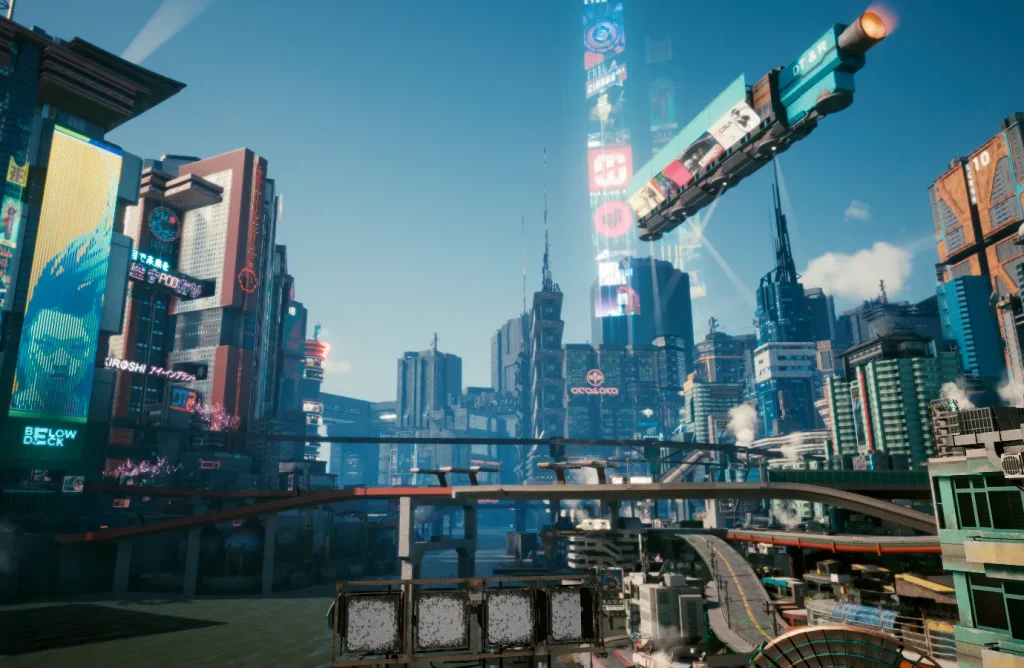
Sci Fi Cyber Cinema has become a captivating cornerstone of modern storytelling, blending futuristic technology, dystopian societies, and immersive digital worlds into narratives that challenge our perceptions of reality. This genre, rooted in science fiction but distinguished by its focus on cybernetic and virtual landscapes, thrives on the interplay of human consciousness and advanced systems. From sprawling cityscapes aglow with holographic displays to tales of artificial intelligence questioning their existence, these films offer a thrilling lens into possible futures. This article delves into the essence of Sci Fi Cyber Cinema, tracing its evolution, thematic depth, visual artistry, and lasting impact on audiences and culture.
The Roots of a Digital Frontier
The origins of Sci Fi Cyber Cinema can be traced back to the 1980s, when science fiction began embracing the rise of personal computing and digital networks. Films like Tron (1982) introduced audiences to virtual worlds where humans interacted with programs inside a computer. This marked a shift from traditional sci-fi’s focus on space exploration to stories grounded in digital realms. The genre gained momentum with Blade Runner (1982), which painted a gritty, neon-soaked vision of a future where cybernetic enhancements blurred the line between human and machine. These early works laid the foundation for a genre that would grow alongside rapid advancements in technology, reflecting society’s fascination and unease with digital progress.
Read also: new zealand national cricket team vs south africa national cricket team match scorecard
Defining Themes of Connection and Control
At its core, Sci Fi Cyber Cinema grapples with themes of identity, autonomy, and the human-machine divide. Stories often center on individuals navigating oppressive systems, whether corporate-controlled dystopias or virtual realities that trap the mind. Films like The Matrix (1999) explore the tension between free will and algorithmic control, presenting worlds where reality itself is a construct. Other narratives, such as Ghost in the Shell (1995), probe the ethics of cybernetic enhancements, questioning what it means to be human when consciousness can be digitized. These themes resonate deeply, inviting viewers to reflect on their own relationship with technology in an increasingly connected world.
The Role of Artificial Intelligence
Artificial intelligence is a recurring motif in Sci Fi Cyber Cinema, often portrayed as both a tool and a threat. In Ex Machina (2014), AI challenges human dominance through cunning and emotional manipulation, raising questions about creator responsibility. Similarly, Her (2013) takes a softer approach, examining emotional bonds between humans and AI in a world where technology mimics intimacy. These stories highlight the genre’s ability to balance spectacle with philosophical inquiry, using AI as a mirror to examine human desires, flaws, and fears about losing control to creations of their own making.
Read also: south africa national cricket team vs new zealand national cricket team match scorecard
Visual Aesthetics: Neon Dreams and Digital Grit
The visual language of Sci Fi Cyber Cinema is unmistakable, defined by neon-lit cityscapes, holographic interfaces, and sleek, futuristic designs. Films like Akira (1988) and Alita: Battle Angel (2019) showcase sprawling urban environments where technology permeates every corner, from towering skyscrapers to underground hacker dens. This aesthetic draws heavily from cyberpunk, blending high-tech glamour with gritty, lived-in textures. The use of vibrant colors—electric blues, pinks, and purples—creates a dreamlike atmosphere, while stark contrasts between light and shadow evoke a sense of unease, reflecting the genre’s tension between innovation and decay.
Immersive World-Building
World-building is a hallmark of Sci Fi Cyber Cinema, crafting environments that feel both alien and eerily familiar. Directors use meticulous set design and CGI to create immersive digital realms, as seen in Ready Player One (2018), where a virtual universe called the OASIS becomes a playground for adventure and escape. These worlds are not just backdrops but active components of the story, shaping characters’ choices and driving conflict. The attention to detail, from flickering holographic ads to intricate neural interfaces, immerses audiences in futures that feel tantalizingly close to reality.
Read also: gimkit/join
Cultural Impact and Audience Resonance
Sci Fi Cyber Cinema has left an indelible mark on popular culture, influencing not only film but also video games, literature, and fashion. The cyberpunk aesthetic, with its blend of futuristic tech and retro-futuristic style, has inspired everything from video games like Cyberpunk 2077 to streetwear trends embracing neon accents and techwear. Beyond aesthetics, the genre’s themes of surveillance, corporate overreach, and digital identity resonate in an era of data privacy concerns and AI advancements. Audiences are drawn to these stories for their ability to mirror real-world anxieties while offering escapist thrills.
Shaping Future Narratives
The influence of Sci Fi Cyber Cinema extends to how we envision the future. By presenting scenarios where technology reshapes society, these films spark discussions about ethics, governance, and innovation. They challenge creators and viewers alike to consider the consequences of unchecked technological growth. As new films emerge, blending virtual reality, AI, and cybernetic enhancements, the genre continues to evolve, pushing boundaries and inspiring storytellers to imagine what lies beyond the digital horizon.
A Genre That Endures
Sci Fi Cyber Cinema remains a vibrant and evolving genre, captivating audiences with its bold visuals and thought-provoking narratives. Its ability to weave complex themes into thrilling stories ensures its relevance in a world increasingly shaped by technology. From its early roots in the 1980s to modern blockbusters, the genre continues to push creative boundaries, offering a glimpse into futures both exhilarating and cautionary. As technology advances, Sci Fi Cyber Cinema will undoubtedly keep pace, challenging us to navigate the neon-lit realms of tomorrow with curiosity and caution.
Read also: