


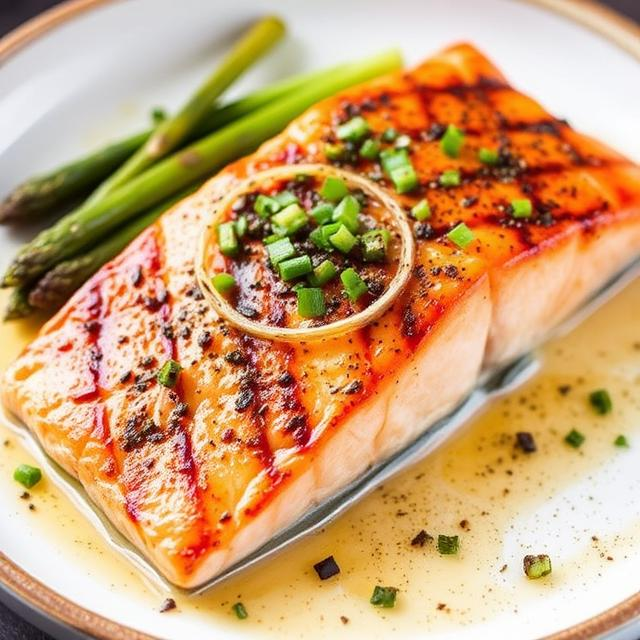
Salmon is one of the most popular and versatile fish around, known for its rich flavor and high nutritional value. Whether you’re a seasoned chef or a beginner in the kitchen, learning how to cook salmon is a great skill to have in your culinary repertoire. Not only is salmon delicious, but it also offers a range of health benefits, including high levels of omega-3 fatty acids and protein. In this article, we’ll explore various methods on how to cook salmon, from baking to grilling, pan-searing, and more. By the end, you’ll be ready to prepare this nutritious fish with ease and confidence!
Why Salmon is a Great Choice
Before diving into the details of how to cook salmon, let’s take a moment to appreciate why this fish is so popular. Salmon is packed with heart-healthy omega-3 fatty acids, which can help reduce inflammation and improve brain function. It’s also an excellent source of protein, vitamins, and minerals. Whether you enjoy it in a salad, as a main dish, or in a sandwich, how to cook salmon gives you endless possibilities to incorporate this superfood into your diet.
Different Types of Salmon
There are several different types of salmon, and each one has a slightly different flavor and texture. The most common types are:
-
Atlantic Salmon: This is the most widely farmed type of salmon, known for its rich, smooth flavor and firm texture.
-
Chinook Salmon: Also known as King salmon, it has the highest fat content and is considered the most luxurious in terms of flavor and texture.
-
Sockeye Salmon: Known for its vibrant red flesh, Sockeye has a stronger, more pronounced flavor.
-
Coho Salmon: Coho salmon is milder in flavor compared to other types but still offers a delicious and slightly sweet taste.
No matter which type of salmon you choose, learning how to cook salmon properly will ensure that you enjoy all of its delicious flavors.
How to Cook Salmon: Basic Preparation Tips
Before we dive into specific methods on how to cook salmon, it’s important to properly prepare the fish for cooking. Here’s a basic guide on preparing your salmon:
-
Defrost If Necessary: If you’re using frozen salmon, be sure to defrost it in the refrigerator for at least 12 hours or overnight before cooking. Avoid thawing it in the microwave, as it can lead to uneven cooking.
-
Remove the Skin (Optional): Some people prefer cooking salmon with the skin on, as it helps lock in moisture and adds flavor. If you don’t like the skin, you can easily remove it using a sharp knife.
-
Seasoning: Salmon has a naturally rich flavor, so it doesn’t need heavy seasoning. A simple combination of olive oil, salt, pepper, and lemon can enhance its flavor. You can also try adding herbs like dill, thyme, or rosemary for extra depth.
-
Pat Dry: Use a paper towel to pat the salmon dry before cooking. This ensures that the fish cooks evenly and prevents it from steaming in excess moisture.
How to Cook Salmon: Baking
Baking is one of the easiest and healthiest ways to cook salmon. It allows the fish to cook evenly while keeping it moist and flavorful. Here’s a simple method on how to cook salmon by baking:
-
Preheat the Oven: Begin by preheating your oven to 375°F (190°C). A moderate temperature will allow the salmon to cook gently and evenly.
-
Prepare the Baking Dish: Lightly grease a baking dish with olive oil or line it with parchment paper to prevent sticking.
-
Season the Salmon: Place the salmon fillets in the baking dish. Drizzle with olive oil, and sprinkle with salt, pepper, and any herbs or spices of your choice. A squeeze of lemon juice adds a nice zesty touch.
-
Bake the Salmon: Place the dish in the preheated oven and bake for 12 to 15 minutes, depending on the thickness of the fillets. As a general rule, cook the fish for 10 minutes per inch of thickness.
-
Check for Doneness: Salmon is cooked when it flakes easily with a fork and the internal temperature reaches 145°F (63°C). If you prefer your salmon a little more well-done, bake it for an extra few minutes.
How to Cook Salmon: Grilling
Grilling salmon adds a delicious smoky flavor and crispy exterior, making it a favorite method for many. Here’s how to cook salmon on the grill:
-
Preheat the Grill: Heat your grill to medium-high heat (around 400°F or 204°C). Make sure the grates are clean to prevent sticking.
-
Prepare the Salmon: Brush the salmon fillets with olive oil and season with salt, pepper, and your favorite herbs or marinades. For grilling, it’s best to leave the skin on, as it helps hold the fillet together.
-
Grill the Salmon: Place the salmon fillets on the grill, skin-side down. Cook for about 4 to 6 minutes per side, depending on the thickness of the fish. You should see grill marks on the salmon, and the flesh should be opaque when fully cooked.
-
Serve: Once the salmon is grilled to perfection, remove it from the grill and serve immediately. A squeeze of fresh lemon juice will enhance the flavors.
How to Cook Salmon: Pan-Searing
If you love crispy, caramelized edges, pan-searing is a great method for how to cook salmon. Here’s a simple guide to pan-searing your salmon:
-
Heat the Pan: Start by heating a non-stick skillet over medium-high heat. Add a tablespoon of oil (such as olive oil or vegetable oil) and let it heat up.
-
Season the Salmon: While the pan is heating, season your salmon fillets with salt, pepper, and any desired spices. You can also rub them with a little olive oil.
-
Sear the Salmon: Place the salmon fillets in the hot skillet, skin-side down if the skin is still on. Cook for 4 to 5 minutes without moving the fish. The goal is to create a crispy, golden-brown crust.
-
Flip and Finish Cooking: Once the skin is crispy, flip the salmon fillets and cook for another 3 to 4 minutes on the other side. The fish should easily flake apart with a fork when it’s done.
-
Serve: Transfer the salmon to a plate and serve with your favorite sides, such as roasted vegetables or a light salad.
How to Cook Salmon: Poaching
Poaching is another gentle method for how to cook salmon that results in a tender, juicy fish. It’s perfect for those who want to keep the salmon’s natural flavors intact. Here’s how to do it:
-
Prepare the Poaching Liquid: In a large skillet or saucepan, combine water, broth, or wine with herbs like dill, parsley, and lemon slices. Bring the liquid to a simmer.
-
Add the Salmon: Gently place the salmon fillets into the simmering liquid. Ensure the liquid covers the fish completely. If it doesn’t, add more liquid until the salmon is submerged.
-
Poach the Salmon: Let the salmon poach for about 10 to 12 minutes, depending on the thickness of the fillets. The fish is done when it easily flakes apart with a fork.
-
Serve: Remove the salmon from the poaching liquid and serve immediately with a drizzle of olive oil or a squeeze of fresh lemon.
How to Cook Salmon: Tips for Perfect Salmon
-
Don’t Overcook: Overcooking is one of the most common mistakes when it comes to how to cook salmon. Always keep an eye on the fish to avoid dryness.
-
Check for Doneness: The best way to check if your salmon is done is by using a fork to gently pull apart the flesh. If it flakes easily, it’s ready to serve.
-
Use a Meat Thermometer: To ensure the salmon is fully cooked, use a meat thermometer to check the internal temperature. It should reach 145°F (63°C).
-
Experiment with Sauces: While salmon is delicious on its own, it pairs wonderfully with sauces like hollandaise, teriyaki, or a simple lemon-dill sauce. Experiment with different flavors to find your favorite.
Conclusion
Whether you prefer it baked, grilled, pan-seared, or poached, learning how to cook salmon opens up a world of culinary possibilities. This fish is not only incredibly versatile but also packed with health benefits, making it a great choice for any meal. By using these simple methods and tips, you’ll be able to enjoy perfectly cooked salmon every time. So, grab some fresh fillets, follow our guide, and treat yourself to a delicious, nutritious dish.