

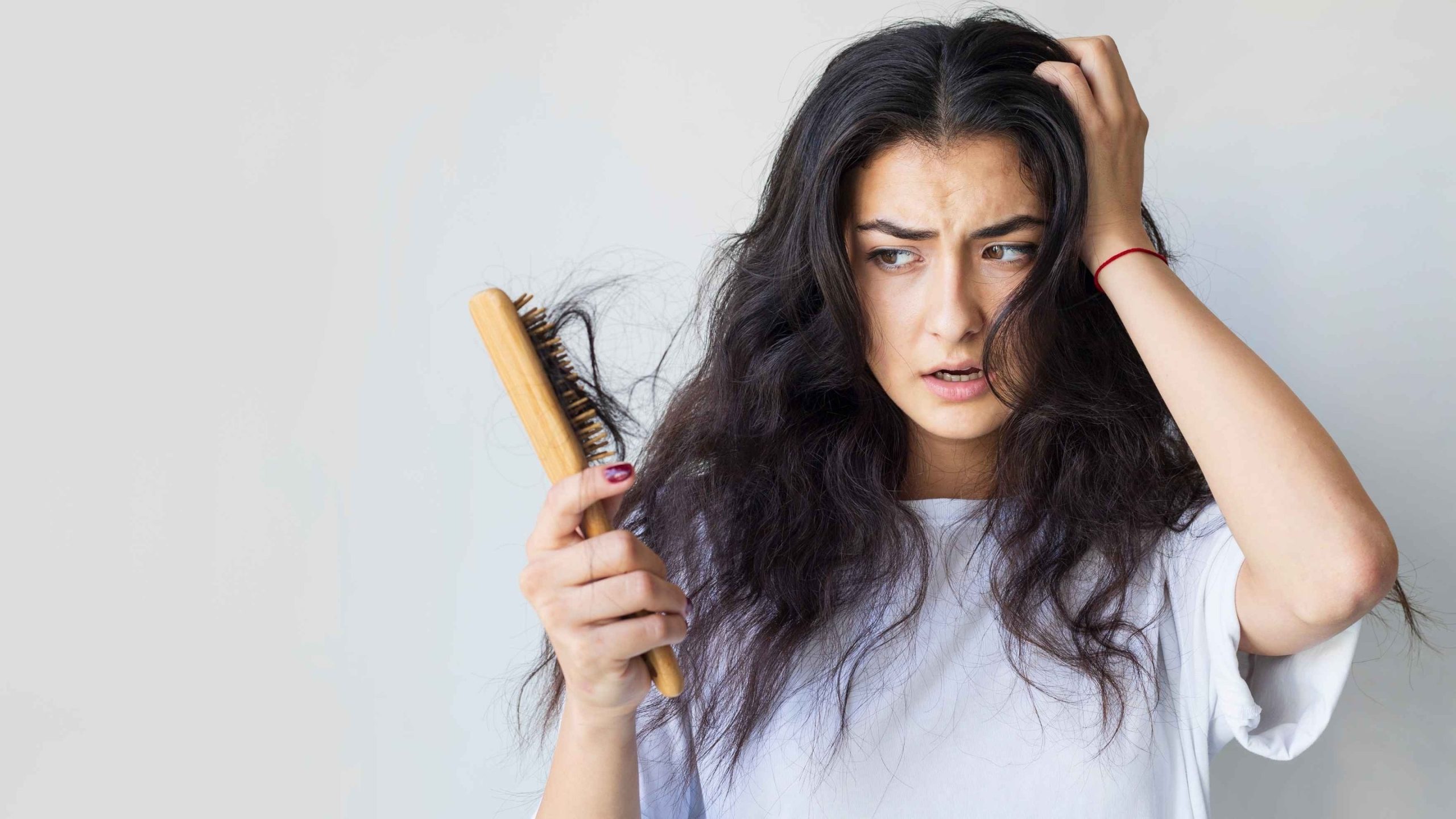
Hair fall prevention tips are something many people search for when they start noticing more strands on their pillow, comb, or bathroom floor. Hair loss can feel alarming, especially when it begins suddenly or seems to worsen over time.
A friend once told me that the moment she realized something was wrong was when her ponytail felt noticeably thinner. At first she blamed seasonal changes, but within months the hair fall became impossible to ignore. Instead of panicking, she started researching lifestyle habits, nutrition, and scalp care routines. Slowly, the shedding reduced and her hair regained strength.
Experiences like this are incredibly common. Hair fall affects people of all ages and can happen for many reasons including stress, poor diet, hormonal imbalance, environmental damage, or improper hair care routines.
The good news is that most cases of hair fall can be controlled with the right knowledge and consistent habits. By understanding the causes and applying science-backed solutions, it is possible to strengthen hair roots, improve scalp health, and support long-term hair growth.
Table of Contents
ToggleUnderstanding Why Hair Fall Happens
Before applying any hair care routine, it is important to understand why hair fall occurs in the first place. Hair naturally goes through a growth cycle consisting of three phases: growth, transition, and shedding.
Losing around 50 to 100 strands a day is considered normal because old hair naturally makes way for new hair. Problems arise when hair begins falling faster than it grows back.
Several factors influence this imbalance. Stress is one of the most common triggers. When the body experiences prolonged stress, it pushes more hair follicles into the shedding phase.
Hormonal changes can also disrupt the hair cycle. Conditions such as thyroid imbalances, postpartum hormonal shifts, and polycystic ovary syndrome often contribute to hair loss.
Nutritional deficiencies are another major cause. Hair follicles require essential vitamins, minerals, and proteins to remain strong. Without these nutrients, hair strands become weak and prone to breakage.
Understanding these underlying factors helps people choose the most effective solutions rather than relying on temporary cosmetic fixes.
The Role of Nutrition in Healthy Hair Growth
One of the most overlooked Hair fall prevention tips involves improving daily nutrition. Hair is primarily made of a protein called keratin, which means a protein-rich diet plays a critical role in maintaining strong strands.
Foods like eggs, legumes, nuts, and dairy products help provide the building blocks necessary for hair growth. Iron is equally important because it supports oxygen transport to hair follicles.
Many individuals experiencing hair fall have low iron levels without realizing it. Green leafy vegetables, seeds, and whole grains can help restore these levels naturally.
Biotin, zinc, and vitamin D also contribute to healthy follicles. These nutrients strengthen the hair shaft and improve scalp health.
Hydration should not be ignored either. When the body is dehydrated, hair can become brittle and lifeless. Drinking enough water supports circulation and nutrient delivery to the scalp.
Improving diet may not produce overnight results, but over time it becomes one of the most effective long-term solutions for reducing hair fall.
Scalp Health: The Foundation of Strong Hair
Healthy hair always begins with a healthy scalp. Many people focus only on hair strands while ignoring the skin where hair grows.
The scalp contains thousands of hair follicles, oil glands, and blood vessels. If this environment becomes clogged or inflamed, hair growth can slow down.
Keeping the scalp clean is essential. Sweat, pollution, and product buildup can block follicles and weaken hair roots. Washing hair regularly with a gentle shampoo helps remove impurities without stripping natural oils.
Scalp massage is another simple but powerful habit. Massaging the scalp for a few minutes daily improves blood circulation, allowing nutrients and oxygen to reach hair follicles more efficiently.
Many dermatologists consider scalp care a central part of Hair fall prevention tips because follicles thrive in a balanced and nourished environment.
Natural oils such as coconut oil, almond oil, or argan oil can also help nourish the scalp when used moderately.
Stress Management and Hair Loss
Modern lifestyles often come with high stress levels, and hair is surprisingly sensitive to emotional strain.
When the body experiences chronic stress, it releases hormones that can disrupt the hair growth cycle. This condition, known as telogen effluvium, causes hair follicles to prematurely enter the shedding phase.
People who go through intense work pressure, emotional trauma, or major life transitions sometimes notice sudden hair thinning a few months later.
Managing stress effectively becomes a vital part of long-term hair care.
Activities like yoga, meditation, walking, and breathing exercises help calm the nervous system and reduce hormonal fluctuations linked to hair loss.
Adequate sleep also plays a crucial role. During deep sleep, the body repairs tissues and balances hormones that influence hair health.
Individuals who integrate stress management into their Hair fall prevention tips often see improvements not only in their hair but also in their overall well-being.
Gentle Hair Care Habits That Protect Hair Roots
Many everyday hair habits unknowingly contribute to breakage and hair loss. Excessive styling, tight hairstyles, and frequent heat exposure can weaken hair strands over time.
Using extremely hot styling tools such as straighteners or curling irons damages the outer protective layer of the hair shaft. This damage leads to dryness, split ends, and increased hair fall.
Tight hairstyles like high ponytails, buns, or braids can also strain hair roots. Over time this tension may lead to traction alopecia, a form of hair loss caused by constant pulling.
Switching to looser hairstyles allows hair follicles to recover from daily stress.
Hair should also be handled gently when wet. Wet hair is more fragile and prone to breakage, so using a wide-tooth comb and avoiding aggressive brushing can prevent unnecessary damage.
These small adjustments may seem simple, but they form some of the most practical Hair fall prevention tips that anyone can follow immediately.
Natural Remedies That Support Hair Strength
Natural remedies have been used for generations to support hair health. While they are not miracle cures, many of them offer nourishing properties that benefit the scalp and hair strands.
Aloe vera is well known for its soothing and hydrating effects. Applying aloe vera gel to the scalp can help calm irritation and support follicle health.
Onion juice has gained popularity in recent years due to its sulfur content, which may support collagen production in hair follicles.
Fenugreek seeds, when soaked and ground into a paste, have traditionally been used to strengthen hair roots and reduce dandruff.
These remedies work best when used consistently and combined with other healthy habits such as proper nutrition and stress management.
Natural treatments often complement modern hair care routines rather than replacing them.
The Importance of Hormonal Balance
Hormones influence nearly every system in the body, including hair growth.
Conditions like thyroid imbalance, menopause, or hormonal fluctuations after childbirth can significantly affect hair density.
For example, many new mothers experience noticeable hair shedding a few months after delivery. This occurs because pregnancy hormones keep hair in the growth phase longer, and once hormone levels normalize, the accumulated hair enters the shedding phase.
Most postpartum hair loss resolves naturally over time.
People experiencing persistent or severe hair fall should consult a qualified healthcare professional to evaluate hormonal health.
Medical guidance ensures that underlying issues are addressed properly rather than treated superficially.
Consistency: The Secret Behind Effective Hair Fall Prevention Tips
One of the most important lessons about hair care is that results rarely appear overnight. Hair grows slowly, and visible improvements usually take several months.
Many people abandon routines too quickly because they expect immediate changes. In reality, hair follicles need time to recover and strengthen.
Consistency is the key to long-term improvement.
When individuals combine balanced nutrition, gentle hair care habits, stress management, and proper scalp care, the results gradually become visible. Hair strands grow stronger, shedding decreases, and overall hair texture improves.
Over time, these Hair fall prevention tips become part of a sustainable lifestyle rather than temporary fixes.
The journey toward healthier hair is not about chasing quick solutions but about building habits that support the scalp, hair follicles, and the body as a whole.
Read also: