

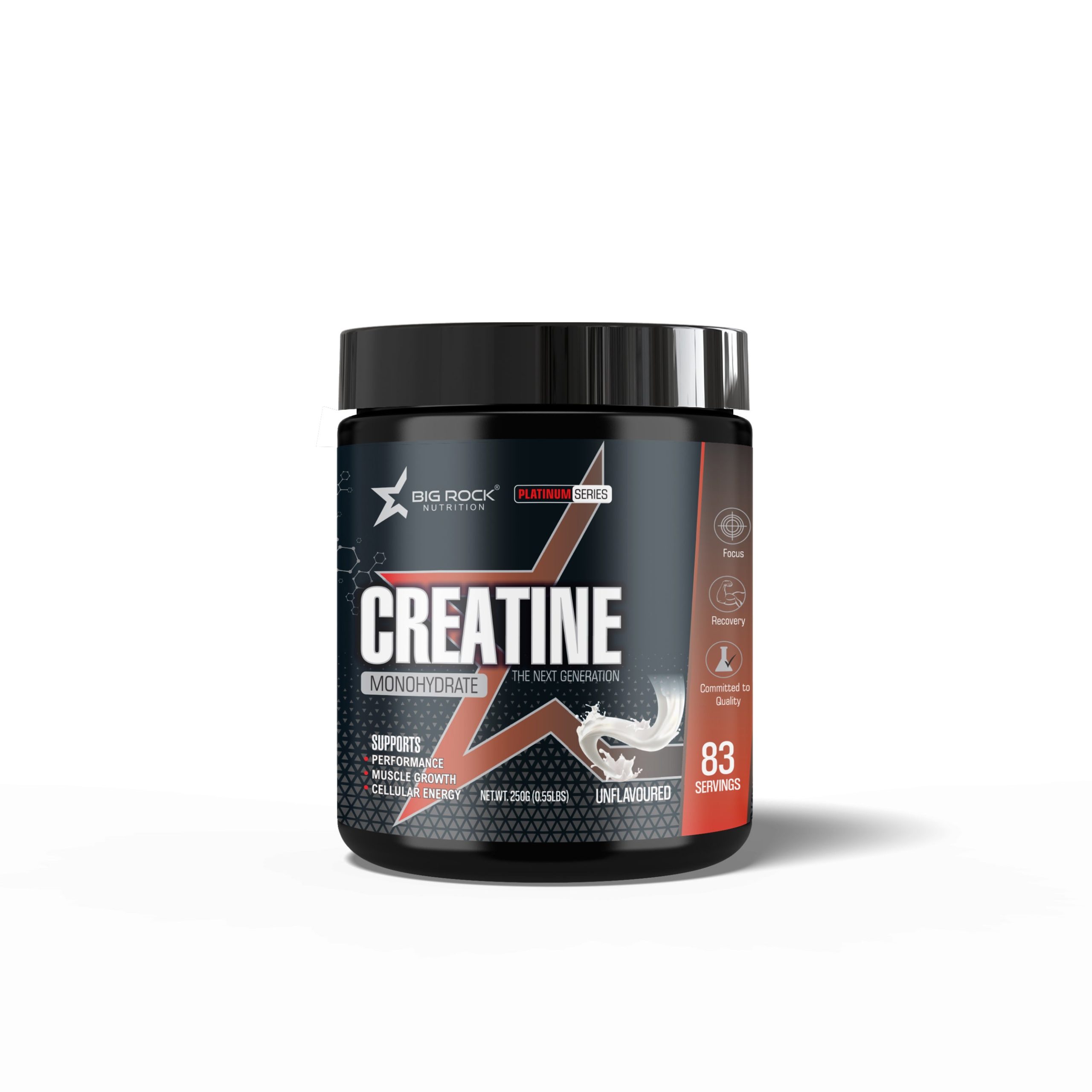
Creatine is one of the most researched and widely used supplements in the fitness world. Whether you’re aiming to build muscle, enhance strength, or improve athletic performance, creatine has likely crossed your radar. But if you’re considering using it long-term, you might wonder: Is it safe to take creatine forever?
In this article, we’ll explore the science behind creatine, its benefits, potential side effects, and provide guidance on safe and effective long-term use.
What Is Creatine?
Creatine is a naturally occurring compound found in small amounts in certain foods like red meat and seafood. It’s also produced by the body, primarily in the liver, kidneys, and pancreas. About 95% of the body’s creatine is stored in muscles, where it plays a crucial role in energy production during short bursts of intense activity.
When you supplement with creatine, you increase the amount stored in your muscles, which can enhance your ability to perform high-intensity exercise, leading to improved strength, power, and muscle mass.
The Benefits of Creatine Supplementation
1. Enhanced Athletic Performance
Creatine supplementation is well-known for improving performance in activities that require short bursts of energy, such as sprinting, weightlifting, and high-intensity interval training (HIIT). Studies have shown that creatine can increase muscle strength and power by 5% to 15% .
2. Muscle Growth
By increasing water content in muscle cells and promoting protein synthesis, creatine can aid in muscle growth. This makes it a popular choice among bodybuilders and those looking to increase muscle mass.
3. Cognitive Benefits
Emerging research suggests that creatine may have cognitive benefits, particularly in tasks requiring short-term memory and quick thinking. It may also help reduce mental fatigue and improve cognitive function during sleep deprivation .
4. Support for Older Adults
For older adults, creatine supplementation can help preserve muscle mass and strength, potentially reducing the risk of falls and improving overall mobility.
Is It Safe to Take Creatine Long-Term?
The Research
Extensive research has been conducted on the safety of creatine supplementation. Studies have shown that long-term use of creatine—even up to 30 grams per day for five years—is safe for healthy individuals . Furthermore, a study found that long-term oral creatine supplementation did not impair renal function in healthy athletes .
Kidney Health
A common concern is the potential impact of creatine on kidney function. However, research indicates that creatine does not adversely affect kidney health in healthy individuals. That said, if you have pre-existing kidney conditions, it’s advisable to consult with a healthcare provider before starting supplementation .
Liver and Heart Health
There is no substantial evidence linking creatine supplementation to liver or heart damage in healthy individuals. However, as with any supplement, it’s essential to use creatine responsibly and consult with a healthcare provider if you have existing health concerns.
Potential Side Effects of Creatine
While creatine is generally safe, some individuals may experience side effects, especially during the initial loading phase. These can include:
-
Water Retention: Creatine causes muscles to retain water, which can lead to weight gain and a bloated feeling.
-
Digestive Issues: Some users report stomach cramps, nausea, or diarrhea, particularly when taking high doses.
-
Muscle Cramps: Although not common, some individuals may experience muscle cramps when using creatine.
To minimize these side effects, it’s recommended to start with a lower dose and gradually increase it, ensuring adequate hydration throughout the day.
How to Use Creatine Safely and Effectively
Dosage
The standard dosing protocol involves a loading phase of 20–25 grams per day, divided into 4–5 doses, for 5–7 days. This is followed by a maintenance phase of 3–5 grams per day. Alternatively, you can skip the loading phase and take 3–5 grams daily, which will saturate your muscles with creatine over a longer period .
Timing
While the timing of creatine supplementation isn’t critical, taking it post-workout with a source of carbohydrates can enhance its uptake into muscles due to increased insulin sensitivity.
Purity
Ensure you’re using high-quality creatine monohydrate from reputable sources. Look for products that are certified for purity and free from contaminants.
Should You Take a Break from Creatine?
There’s no scientific evidence suggesting that you need to cycle creatine or take breaks. However, some individuals choose to take short breaks (e.g., 1–2 weeks) to assess their body’s response or to avoid potential psychological dependence on the supplement.
Conclusion
In summary, creatine is a safe and effective supplement for most individuals when used responsibly. Long-term use is generally well-tolerated and can provide numerous benefits, from enhanced athletic performance to potential cognitive support.
As with any supplement, it’s crucial to consider your individual health status and consult with a healthcare provider if you have any concerns. By using creatine appropriately and in conjunction with a balanced diet and regular exercise, you can safely incorporate it into your fitness regimen for the long haul.
Note: This article is for informational purposes only and should not replace professional medical advice. Always consult with a healthcare provider before starting any new supplement regimen.